
When to Go to the ER for Fever: Fort Worth Decision Guide
A fever can be alarming, especially when it spikes suddenly or accompanies other symptoms. Understanding when a fever requires emergency room care versus home management is crucial for Fort Worth residents and their families.

In This Article
- Understanding Fever Basics and Temperature Thresholds
- When Fever Is a Medical Emergency
- Common Fever Causes and What They Mean
- Fever Symptoms That Demand Immediate ER Care
- Fever Management at Home: What Works and When to Escalate
- Fever in Special Populations: Infants, Children, and Elderly
- Getting Emergency Fever Care in Fort Worth and Nearby Areas
- Frequently Asked Questions
⚡ Key Takeaways
- A fever above 104°F in adults is a medical emergency requiring immediate ER evaluation.
- In infants under 3 months, any fever (rectal temperature 100.4°F or higher) warrants urgent medical assessment.
- Fever paired with severe symptoms—chest pain, difficulty breathing, confusion, or neck stiffness—demands emergency care regardless of temperature.
- Most fevers are self-limiting viral infections that resolve with home care, rest, and hydration.
- ER Of Fort Worth operates 24/7 for fever-related emergencies across Fort Worth, Keller, and surrounding Texas communities.
Understanding Fever Basics and Temperature Thresholds
If you are experiencing a life-threatening emergency, call 911 or go to the nearest emergency room immediately.
A fever is your body's natural defense mechanism—a rise in core body temperature triggered by infection, inflammation, or other triggers. In adults, normal body temperature ranges from 97°F to 99°F when taken orally. A fever is generally defined as a temperature of 100.4°F or higher on an oral thermometer, though different measurement methods (rectal, axillary, temporal) have slight variations.
Fever itself is not an illness but rather a symptom that something else is happening in your body. The elevation in temperature helps your immune system fight bacterial and viral invaders more effectively. However, extremely high fevers can become dangerous, particularly when body temperature exceeds 104°F or when fever is accompanied by neurological symptoms or signs of severe dehydration.
Understanding your baseline and recognizing abnormal patterns is essential for residents of Fort Worth, Keller, Saginaw, and surrounding areas who need to decide whether home care or emergency evaluation is appropriate. The specific temperature alone doesn't always determine urgency—the person's age, overall health, accompanying symptoms, and fever duration are equally important factors.
When Fever Is a Medical Emergency
Not every fever requires emergency room evaluation, but certain fever scenarios demand immediate medical attention. A fever above 104°F in adults is considered a hyperthermic crisis and warrants emergency assessment. At this temperature, risk of complications including organ damage and heat stroke increases significantly.
Beyond the absolute temperature threshold, several clinical situations transform fever into an ER-level emergency:
- Fever with altered mental status: Confusion, disorientation, delirium, or unusual behavior accompanying fever suggests serious systemic infection or neurological involvement.
- Fever with severe headache and neck stiffness: This combination raises concern for meningitis or other central nervous system infections requiring urgent diagnostic testing and treatment.
- Fever with difficulty breathing: Respiratory distress, shortness of breath, or chest tightness accompanying fever may indicate pneumonia, sepsis, or other life-threatening pulmonary infections. Patients experiencing this symptom complex should seek shortness of breath ER evaluation immediately.
- Fever with severe abdominal or chest pain: These combinations suggest serious intra-abdominal or intrathoracic pathology.
- Fever in immunocompromised individuals: People with HIV/AIDS, active cancer treatment, transplant recipients, or those on immunosuppressive medications may deteriorate rapidly from infections that would be minor in otherwise healthy people.
- Persistent high fever for more than 3–5 days: Fevers lasting beyond the typical viral illness timeframe suggest bacterial infection or other serious underlying conditions.
ER Of Fort Worth's fever treatment ER services are available 24/7 to evaluate any fever situation that concerns you, whether it meets strict emergency criteria or you simply need professional medical judgment.
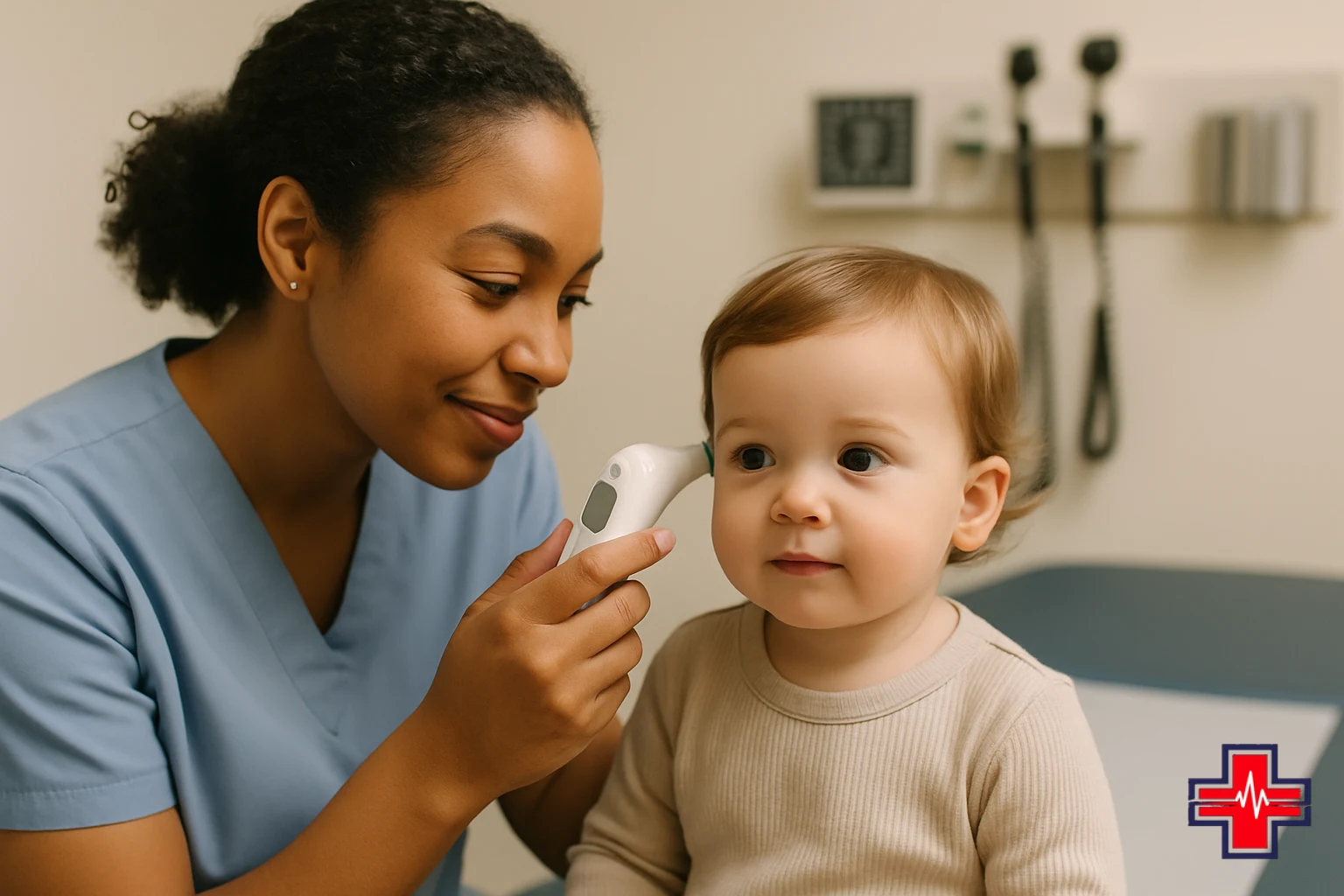
Common Fever Causes and What They Mean
Understanding what causes your fever helps determine whether home management or emergency care is appropriate. Fever causes range from minor self-limiting viral infections to serious bacterial conditions requiring immediate treatment.
Viral Infections (Most Common)
The vast majority of fevers are caused by viral infections—common colds, influenza, gastrointestinal viruses, and other upper respiratory viruses. These typically present with fever, fatigue, body aches, and sometimes cough or congestion. Viral fevers are self-limiting, meaning they resolve on their own as your immune system clears the infection, usually within 3–7 days. Home care with rest, hydration, and fever reduction measures is typically sufficient.
Bacterial Infections
Bacterial infections causing fever include strep throat, urinary tract infections, pneumonia, and skin infections. Unlike viral fevers, bacterial infections typically require antibiotics for treatment. Patients may develop fever in combination with localized symptoms—sore throat, dysuria, productive cough, or skin warmth and drainage. If you suspect a bacterial infection, evaluation by a healthcare provider is important. UTI treatment ER services and IV antibiotics ER options are available at ER Of Fort Worth if urgent evaluation and treatment are needed.
Serious Systemic Infections (Sepsis, Meningitis)
Life-threatening infections like sepsis or meningitis present with fever plus multiple severe symptoms—altered mental status, rapidly spreading rash (in meningitis), extreme weakness, organ dysfunction. These require immediate emergency evaluation and aggressive treatment. Residents in North Richland Hills, Watauga, Haltom City, and throughout the Fort Worth metroplex should never hesitate to call 911 or proceed directly to the ER for suspected meningitis or sepsis.
Inflammatory and Autoimmune Conditions
Some fevers result from non-infectious causes including rheumatologic disease flares, inflammatory bowel disease, or malignancy. These typically present with fever plus other specific symptoms related to the underlying condition and may require specialist evaluation.
Medication-Related Fevers
Certain medications can trigger fever as a side effect. Antibiotics, seizure medications, and some chemotherapy agents are known culprits. If fever develops shortly after starting a new medication, mention this timeline to your healthcare provider.
Fever Symptoms That Demand Immediate ER Care
The temperature number alone doesn't always tell the whole story. Certain accompanying symptoms elevate any fever to emergency status and demand immediate medical evaluation. Watch for these red flags:
Neurological Symptoms
Confusion, difficulty arousing, delirium, or altered personality alongside fever suggest serious infection or metabolic derangement. Severe headache combined with high fever and neck stiffness raises strong concern for meningitis. Seizures occurring with fever are always concerning and require immediate emergency evaluation.
Respiratory Distress
Rapid breathing, severe cough, difficulty catching breath, or chest pain with fever may indicate pneumonia or other lower respiratory tract infections. Wheezing or stridor (high-pitched breathing sounds) are particularly worrisome. Patients describing these symptoms should go directly to the ER; do not wait for an urgent care appointment. Learn more about pneumonia treatment ER options available in Fort Worth.
Cardiovascular Symptoms
Chest pain, palpitations, syncope (fainting), or severe tachycardia (rapid heart rate far exceeding what fever alone would cause) require emergency evaluation. A chest pain ER visit is warranted if chest discomfort accompanies fever, regardless of whether you think the symptoms are connected.
Severe Dehydration Signs
High fever causes fluid losses through perspiration. Signs of severe dehydration—extreme thirst, dry mucous membranes, minimal urination or dark urine, severe weakness, dizziness upon standing—require immediate care and likely intravenous fluid replacement.
Rash with Fever
A spreading rash accompanying fever, especially one that doesn't blanch (turn white) when pressed, may indicate meningococcemia or other serious systemic infection. Seek emergency evaluation immediately if you develop a rash with fever.
Abdominal or Flank Pain
Fever paired with severe abdominal pain, back pain, or flank pain may indicate appendicitis, kidney infection, or other intra-abdominal emergency. Don't assume the fever and pain are separate issues—have both evaluated in the ER.

Fever Management at Home: What Works and When to Escalate
For straightforward fevers without alarming symptoms, supportive home care is often appropriate. Understanding what actually helps and recognizing when home care isn't enough are key skills for Fort Worth families managing fever.
Evidence-Based Home Fever Care
Rest is foundational—your body uses energy to mount an immune response, so adequate sleep supports recovery. Hydration is equally important; fever increases insensible fluid losses through perspiration. Drink water, broth, herbal tea, or electrolyte solutions frequently. Avoid caffeine and alcohol, which can worsen dehydration.
Over-the-counter fever reducers like acetaminophen or ibuprofen are effective and safe when used at appropriate dosing intervals. These medications reduce discomfort and may lower fever by 1–2 degrees, though fever reduction alone isn't the goal—comfort and preventing complications matter more. Don't obsess over achieving "normal" temperature; focus on how you feel.
Light clothing and cool (not cold) environments help body heat dissipate. Avoid bundling excessively, which traps heat. A lukewarm bath or cool compress on the forehead provides comfort, though aggressive ice baths are unnecessary and uncomfortable.
Warning Signs That Home Care Isn't Enough
Escalate to medical evaluation if fever persists beyond 5 days, worsens despite home care, or new concerning symptoms develop. Recurring fevers after initial improvement, inability to keep down fluids, or symptoms suggesting dehydration require professional assessment. Any fever in an immunocompromised person should trigger an ER visit rather than home management.
Parents should know that fever itself, while uncomfortable, doesn't cause brain damage—this is a persistent misconception. However, underlying serious infections can cause harm, so the illness causing the fever, not the fever number, is what matters.
If uncertainty about whether to seek care persists, calling ER Of Fort Worth at 817-945-4200 for nurse advice can help clarify your situation. Our staff can listen to your specific symptoms and provide guidance on whether home care is appropriate or ER evaluation is warranted.
Fever in Special Populations: Infants, Children, and Elderly
Fever management differs significantly across age groups due to developmental, physiologic, and immunologic differences. Understanding these population-specific considerations prevents both unnecessary medical visits and dangerous delays in care.
Infants Under 3 Months
In neonates and very young infants, fever is treated with utmost urgency. Any rectal temperature of 100.4°F or higher warrants evaluation in the ER. Infants this young cannot mount as robust an immune response, and serious bacterial infections can progress rapidly without obvious early signs. These evaluations typically include blood work, urine studies, and sometimes lumbar puncture (spinal tap) to rule out meningitis. While this seems aggressive, it's medically appropriate given the age group's vulnerability. Parents in Fort Worth, Southlake, Grapevine, and Flower Mound with febrile infants should not delay—go to the ER or call 911.
Infants and Toddlers (3 Months to 3 Years)
Fever thresholds rise slightly with age. Fevers below 103°F without other serious symptoms in otherwise healthy children can often be managed at home with close observation. However, parents should know that young children may have serious infections without classic presentation—a playful toddler might have occult pneumonia or bacteremia. If your instinct says something is wrong, seek evaluation. Pediatric emergency care facilities understand that parents know their children best. ER Of Fort Worth provides child-focused fever assessment.
Older Children (4–17 Years)
Higher fever tolerance develops in older children. Fevers up to 104°F in an otherwise healthy child who is alert, playful, and maintaining hydration often respond well to home care. However, sustained high fever, severe symptoms, or failure to improve warrants evaluation.
Elderly and Immunocompromised Adults
Older adults often develop serious infections with blunted fever responses—they may have life-threatening sepsis while body temperature is only minimally elevated. Additionally, fever in elderly patients may trigger delirium or aggravate underlying cardiac conditions. Any fever in elderly residents of Arlington, Grand Prairie, or Fort Worth who have multiple chronic conditions should prompt medical evaluation. Those on immunosuppressive therapy require even lower thresholds for seeking care—don't wait for "bad enough" symptoms.
Pregnant Women
Pregnancy affects immune function and fever management. Fevers in pregnant women warrant evaluation to rule out conditions like urinary tract infection or other treatable bacterial infections. Medication choices for fever reduction also differ in pregnancy, making professional guidance important.
Getting Emergency Fever Care in Fort Worth and Nearby Areas
Fort Worth residents and those in surrounding communities—Keller, Alliance, Saginaw, Haslet, Watauga, Roanoke, North Richland Hills, Haltom City, Bedford, Southlake, Grapevine, and Flower Mound—have access to 24/7 emergency fever evaluation at ER Of Fort Worth.
Located at 4561 Heritage Trace Parkway, Suite 117, Fort Worth, TX 76244, ER Of Fort Worth operates continuously to assess and manage fever-related emergencies. Our freestanding ER provides rapid diagnostic capabilities including blood tests ER services, allowing quick identification of bacterial versus viral infections and other fever sources. We can administer IV antibiotics ER when bacterial infection is identified, and provide hydration and supportive care immediately.
The decision of whether to seek emergency care versus urgent care or home management depends on fever severity, accompanying symptoms, age, and overall health. If you're unsure, erring on the side of caution and seeking evaluation is reasonable. Our providers can quickly determine whether your fever requires emergency-level intervention or whether home management guidance is appropriate.
For non-emergency fever questions or guidance on whether evaluation is needed, call us at 817-945-4200. You can also use online check-in to streamline your ER arrival when you do come in. ER Of Fort Worth's ER doctors bring specialized emergency medicine expertise to fever assessment and management, ensuring you receive appropriate care quickly.
In life-threatening situations—severe difficulty breathing, unresponsiveness, extreme confusion, or signs of septic shock—call 911 rather than driving yourself. Emergency services will transport you appropriately and provide care en route if needed.
Frequently Asked Questions
What is the exact temperature at which I should go to the ER for fever?
A fever above 104°F warrants emergency evaluation in adults. However, temperature alone doesn't determine urgency—accompanying symptoms like difficulty breathing, confusion, severe headache with neck stiffness, or chest pain make any fever an emergency regardless of the exact number. When in doubt, contact ER Of Fort Worth or seek evaluation.
Is fever in an infant always an emergency?
Any fever (rectal temperature 100.4°F or higher) in infants under 3 months requires urgent ER evaluation. Older infants and children have higher fever tolerance, but fever combined with lethargy, poor feeding, or other concerning symptoms always warrants professional assessment regardless of the child's age.
How long can I safely manage a fever at home?
Most viral fevers resolve within 3–7 days with home supportive care. If fever persists beyond 5 days, worsens despite home treatment, or new symptoms develop, seek medical evaluation. Never delay seeking care if concerning symptoms appear, regardless of fever duration.
Can fever itself cause brain damage?
No—fever itself does not cause brain damage. This is a common misconception. However, serious infections that cause fever (like meningitis) can cause brain damage if left untreated. Focus on the underlying illness causing the fever, not the fever number itself.
What should I do if my fever doesn't come down with acetaminophen or ibuprofen?
Fever medications reduce temperature temporarily but aren't required for recovery—rest and hydration matter more. If fever persists unresponsive to home care or worsens, or if other concerning symptoms develop, seek ER evaluation. ER Of Fort Worth can investigate underlying causes and provide appropriate treatment.
Is it better to go to urgent care or the ER for fever?
If fever is accompanied by serious symptoms (difficulty breathing, chest pain, severe headache, confusion, or if the patient is an infant under 3 months, immunocompromised, or elderly), the ER is appropriate. Simple fevers without alarming symptoms may be managed with urgent care or home care. When unsure, call ER Of Fort Worth at 817-945-4200 for guidance.