
When to Go to ER for Back Pain: Red Flags & Severity
Back pain affects millions of Americans each year, but not all back pain requires emergency care. Knowing which symptoms signal a serious spinal injury or medical emergency can mean the difference between recovery and lasting disability.
In This Article
- Understanding Back Pain: Common Causes
- Red Flags That Demand ER Care
- Severe Back Pain Emergency: Spinal Cord & Nerve Injury
- Back Injury Symptoms: Trauma vs. Gradual Onset
- When Urgent Care Is Sufficient vs. ER
- First Aid for Severe Back Pain Before ER Arrival
- Spinal Injury Emergency: What Imaging Reveals
- Seeking Back Pain ER Care in Fort Worth & Surrounding Areas
- Frequently Asked Questions
⚡ Key Takeaways
- Sudden severe back pain with numbness, tingling, or loss of bladder/bowel control requires immediate ER evaluation.
- Back pain after trauma, falls, or high-impact accidents may indicate fracture or spinal injury and warrants emergency imaging.
- Progressive weakness in legs, fever with back pain, or unexplained weight loss combined with pain are red flags for serious underlying conditions.
- Most acute muscle strains improve with rest and conservative care, but severe pain affecting daily function should be assessed by an ER physician.
- When in doubt about back pain severity, ER Of Fort Worth's 24/7 team can perform rapid imaging and neurological assessment to rule out emergencies.
Understanding Back Pain: Common Causes
Back pain can originate from muscle strain, disc problems, arthritis, or poor posture—most of which are not emergencies. Acute muscle strain from lifting, sleeping awkwardly, or minor falls typically causes localized pain that worsens with movement but improves over days to weeks with rest and conservative care.
However, certain causes of back pain—including spinal fractures, herniated discs pressing on nerves, infections, or tumors—require rapid assessment and intervention. The key is learning to distinguish routine soreness from symptoms that warrant urgent evaluation. Age, trauma history, and accompanying neurological symptoms all influence whether a trip to the ER is necessary.
Residents across Fort Worth, Keller, North Richland Hills, Roanoke, and surrounding communities should be aware that the same back pain presentation in a 25-year-old may differ drastically in a 65-year-old with osteoporosis or history of spinal fracture. Younger patients typically recover from muscular strain quickly, while older adults face higher risk of serious fractures or spinal cord involvement even from minor falls.
Red Flags That Demand ER Care
Certain symptoms paired with back pain are non-negotiable indicators to seek immediate emergency evaluation. If you experience sudden onset severe back pain after a fall, motor vehicle accident, or high-impact trauma, do not wait—proceed to the ER or call 911. These scenarios carry high risk of vertebral fracture or spinal cord injury.
Neurological red flags are the most critical:
- Numbness or tingling in the legs, feet, or genital area suggests nerve compression or spinal cord involvement
- Loss of bladder or bowel control (inability to urinate or involuntary incontinence, difficulty with bowel movements) indicates cauda equina syndrome—a surgical emergency requiring intervention within hours
- Progressive weakness in one or both legs, difficulty walking, or inability to lift the foot indicates descending neurological deficit
- Severe pain radiating down one leg below the knee with numbness may signal nerve root compression
Systemic red flags also warrant ER evaluation:
- Fever combined with back pain (suggests possible infection like spinal meningitis or discitis)
- Unexplained weight loss with back pain (possible malignancy)
- Back pain in patients taking steroids or with compromised immunity
- Severe pain unrelieved by rest or position changes within 24 hours
- Age over 50 with new-onset back pain and no prior history
If you are experiencing a life-threatening emergency, call 911 or go to the nearest emergency room immediately.
Severe Back Pain Emergency: Spinal Cord & Nerve Injury
Not all severe pain is an emergency, but severe back pain paired with neurological changes is always an emergency. Spinal cord compression or incomplete spinal cord injury can present with intense pain, weakness, or loss of sensation. The window for intervention—especially in cauda equina syndrome—is narrow. Delays of hours can result in permanent paralysis or loss of bowel/bladder function.
Cauda equina syndrome (CES) is rare but devastating. It occurs when a large disc herniation or other lesion compresses the bundle of nerves at the base of the spinal cord. Classic presentation includes:
- Sudden onset severe lower back pain
- Bilateral leg pain, numbness, or weakness
- Saddle anesthesia (numbness in the buttocks, inner thighs, or genital region)
- Loss of bowel or bladder control
- Erectile dysfunction (in males)
This is a neurosurgical emergency. If you suspect CES, call 911 immediately—do not drive yourself. Back Pain ER evaluation in Fort Worth facilities can arrange urgent MRI and neurosurgical consultation if warranted.
Spinal fractures, particularly in older adults with osteoporosis or patients on long-term steroids, may cause severe pain with or without neurological loss. A fall from standing, minor motor vehicle accident, or even forceful coughing can fracture weakened vertebrae. Imaging is essential to rule out fracture and assess for spinal instability.
Back Injury Symptoms: Trauma vs. Gradual Onset
Traumatic back injury follows a clear incident: fall, car accident, sports collision, or lifting injury. Pain may be immediate or develop over hours. Key assessment points include mechanism of injury, location of impact, and presence of neurological symptoms. Even if initial pain seems mild, serious fractures can be present without obvious symptoms.
For example, a slip-and-fall in Bedford or Southlake on stairs, a motor vehicle accident in Grapevine, or a sports injury in Flower Mound warrants ER evaluation if accompanied by:
- Intense pain preventing normal movement
- Swelling or visible deformity
- Any numbness, tingling, or leg weakness
- Loss of bladder/bowel control
- Any doubt about injury severity
Non-traumatic (gradual-onset) back pain develops slowly without clear injury. This may reflect disc degeneration, herniation, arthritis, or infection. While usually less urgent than traumatic injury, gradual onset with progressive neurological loss or constitutional symptoms (fever, weight loss) requires evaluation within days, not hours. If pain is severely limiting function or worsening despite conservative care over 24–48 hours, ER assessment can expedite imaging and specialist referral.
The distinction matters: traumatic back pain with neurological change = ER immediately; non-traumatic progressive symptoms = ER if severe, worsening, or neurologically significant.

When Urgent Care Is Sufficient vs. ER
Not every case of back pain requires the ER. ER vs. Urgent Care decisions depend on symptom severity, trauma mechanism, and neurological status. Urgent care is appropriate when:
- Back pain is mild to moderate after minor strain (no trauma)
- Pain is isolated to the lower back with no radiating leg symptoms
- Full leg strength and sensation are intact
- Bladder and bowel function are normal
- No fever or constitutional symptoms
- Patient is able to walk and perform basic self-care
These cases often benefit from imaging (X-ray available at some urgent care facilities), evaluation by a provider, and anti-inflammatory medication or muscle relaxant prescription. Follow-up with primary care or physical therapy is typical.
Conversely, the ER is warranted when:
- Severe pain following trauma or falls
- Any neurological symptoms (numbness, tingling, weakness, loss of function)
- Fever, unexplained weight loss, or immune compromise
- Pain severely limiting function or unresponsive to over-the-counter medication
- Uncertainty about injury severity
ER Of Fort Worth operates 24/7 and offers rapid access to advanced imaging (CT, MRI), blood tests, and specialist consultation. Online Check-In can expedite your arrival if you know an ER visit is necessary.
First Aid for Severe Back Pain Before ER Arrival
If you or someone nearby experiences sudden severe back pain, safe initial management can prevent further injury while awaiting ER evaluation.
For acute onset (possible spinal injury):
- Stop the activity causing pain immediately
- Lie flat on the back with knees bent and a pillow under the knees (reduces spinal loading)
- Do not attempt to move or stretch the spine if serious injury is possible
- If trauma was involved (fall, motor vehicle accident), call 911 and avoid movement until EMS evaluates
- Apply ice (wrapped in a towel, not directly on skin) for 15–20 minutes if available, but do not move to do so if pain is severe
For severe pain without trauma:
- Lie down in a comfortable position (back-flat, side-lying with pillow between knees, or modified fetal position)
- Take over-the-counter ibuprofen or acetaminophen as directed on packaging (both help reduce pain and inflammation)
- Avoid heavy lifting, bending, or twisting
- If pain does not improve within a few hours or worsens, seek ER evaluation
Do NOT:
- Delay seeking care if neurological symptoms develop (numbness, weakness, loss of control)
- Drive yourself to the ER if you are experiencing severe pain, leg weakness, or loss of coordination—call 911
- Ignore fever accompanying back pain; this requires urgent evaluation
Spinal Injury Emergency: What Imaging Reveals
When you arrive at ER Of Fort Worth or another emergency facility with back pain after trauma or neurological symptoms, rapid imaging is a cornerstone of evaluation. Blood Tests ER may help rule out infection, and imaging pinpoints structural problems.
X-ray is usually the first step: fast, readily available, and effective at showing vertebral fractures, severe misalignment, and arthritis.
CT scan provides detailed views of bone and can detect subtle fractures, compression, or spinal canal narrowing that X-ray might miss. CT is especially valuable after high-impact trauma or in older patients at risk for fracture.
MRI offers the best soft-tissue detail, revealing disc herniations, spinal cord swelling, ligament damage, and infections. MRI is slower (30–45 minutes including setup) but is crucial when neurological deficits suggest nerve or cord involvement. It is also the gold standard for ruling out cauda equina syndrome or spinal infection.
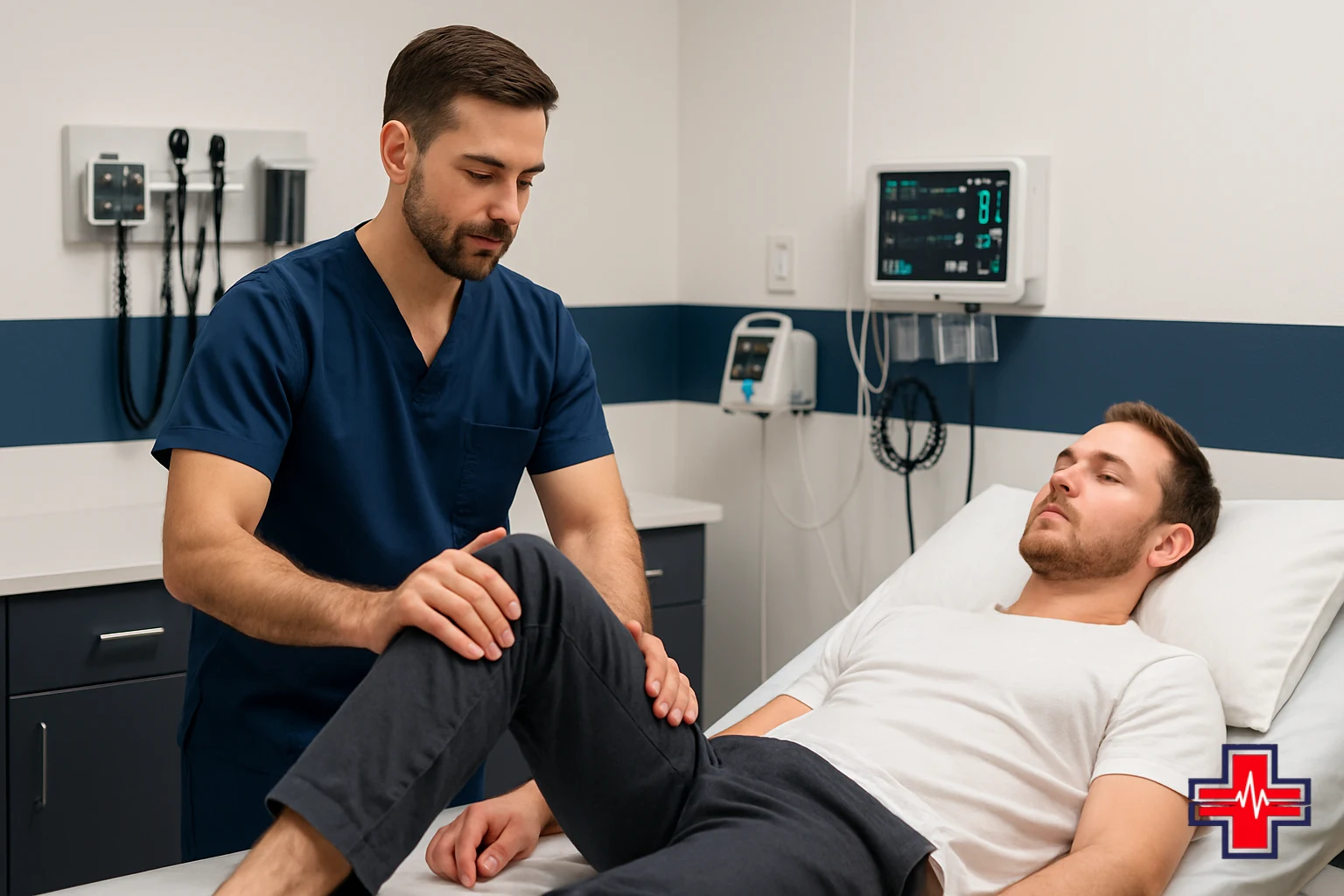
A neurological exam accompanies imaging: testing strength, sensation, reflexes, and bladder function helps localize the problem and assess urgency. ER physicians use these findings to guide specialist referral (neurosurgery, orthopedic spine surgery, or neurology) and determine admission vs. outpatient follow-up.
Even if initial imaging appears normal and symptoms are mild, persistent neurological changes warrant continued investigation. Some conditions (early infection, incomplete spinal cord injury) may not be obvious on first imaging and require follow-up or advanced studies.
Seeking Back Pain ER Care in Fort Worth & Surrounding Areas
Residents of Fort Worth, Keller, Alliance, Saginaw, Haslet, Watauga, Roanoke, North Richland Hills, Haltom City, Bedford, Southlake, Grapevine, and Flower Mound have access to 24/7 emergency care specifically equipped to handle acute back pain and spinal injury. ER Of Fort Worth, located at 4561 Heritage Trace Parkway, Suite 117, is a dedicated freestanding emergency room ready to provide rapid assessment, imaging, and specialist coordination.
Why choose a dedicated ER for back pain?
- No waiting room delays typical of hospital emergency departments
- Rapid access to imaging (X-ray, CT) without lengthy scheduling
- Board-certified ER physicians trained in spinal injury recognition
- Immediate lab and blood work capability for infection workup
- Direct pathways to orthopedic and neurosurgical specialists if needed
- Online Check-In option to streamline arrival
If you experience back pain with red flag symptoms, call 911 or go to the nearest emergency room immediately if you suspect spinal cord injury or cauda equina syndrome. For urgent but non-life-threatening back pain requiring imaging or physician evaluation outside business hours, ER Of Fort Worth's 24/7 model ensures you do not have to wait until morning. You can reach us at 817-945-4200 to confirm we can see you, or simply walk in.
After ER evaluation and stabilization, Back Pain ER care often bridges to specialist referral, physical therapy, or primary care follow-up. The goal is rapid diagnosis, symptom relief, and coordination of next steps—whether that is conservative management or surgical consultation.
Frequently Asked Questions
How do I know if my back pain is a medical emergency?
Seek immediate ER care if you experience sudden severe pain after trauma, numbness or tingling in legs or genitals, loss of bladder or bowel control, progressive leg weakness, fever with back pain, or pain so severe you cannot function. These are red flags for spinal injury, nerve compression, or serious infection.
Is back pain after a fall always an emergency?
Back pain following a fall warrants ER evaluation if the pain is severe, accompanied by neurological symptoms, prevents normal movement, or you are unsure of injury severity. Even mild-seeming pain after falls in older adults should be assessed, as fractures may not cause obvious initial symptoms.
What is cauda equina syndrome and why is it an emergency?
Cauda equina syndrome occurs when a large disc herniation or spinal lesion compresses the nerve bundle at the base of the spinal cord. It presents with sudden severe lower back pain, bilateral leg pain, numbness in the buttocks or genital area, and loss of bladder or bowel control. It is a surgical emergency requiring intervention within hours to prevent permanent paralysis.
Can I wait and see if my back pain improves on its own?
Mild muscle strain often improves with rest and conservative care over days to a week. However, if pain is severe, worsening despite rest, accompanied by neurological symptoms, fever, or unrelieved weight loss, ER evaluation is appropriate. When in doubt, seek assessment rather than risk missing a serious condition.
What imaging will the ER use to evaluate my back pain?
The ER typically starts with X-rays to rule out fractures. If neurological symptoms or trauma severity suggests possible soft-tissue injury, nerve compression, or spinal cord involvement, CT or MRI imaging may be ordered. MRI is best for detecting disc herniations, spinal cord swelling, and infections.
Is ER Of Fort Worth open 24/7 for back pain emergencies?
Yes, ER Of Fort Worth is a 24/7 freestanding emergency room available for urgent back pain evaluation, imaging, and specialist referral at any time. You can walk in or use our Online Check-In option to expedite arrival. Call 817-945-4200 with questions.