HIV Rapid Testing & Results | Fort Worth 24/7 ER
If you're concerned about potential HIV exposure, getting tested quickly with professional support is a critical step. ER of Fort Worth offers confidential HIV rapid testing 24 hours a day, with same-day results and compassionate counseling to help you understand what comes next.
In This Article
⚡ Key Takeaways
- HIV rapid testing can detect antibodies or antigens within hours, though the window period—the gap between exposure and detectability—affects accuracy.
- Antigen/antibody combination tests are more sensitive than antibody-only tests and may detect infection earlier in the window period.
- Post-test counseling and follow-up testing are essential regardless of results, especially if exposure occurred within the window period.
- ER of Fort Worth provides confidential, judgment-free rapid HIV testing and counseling 24/7 for Fort Worth residents and nearby communities.
- Knowing your status and seeking prompt medical care allows you to protect your health and the health of others.
What Is HIV Rapid Testing?
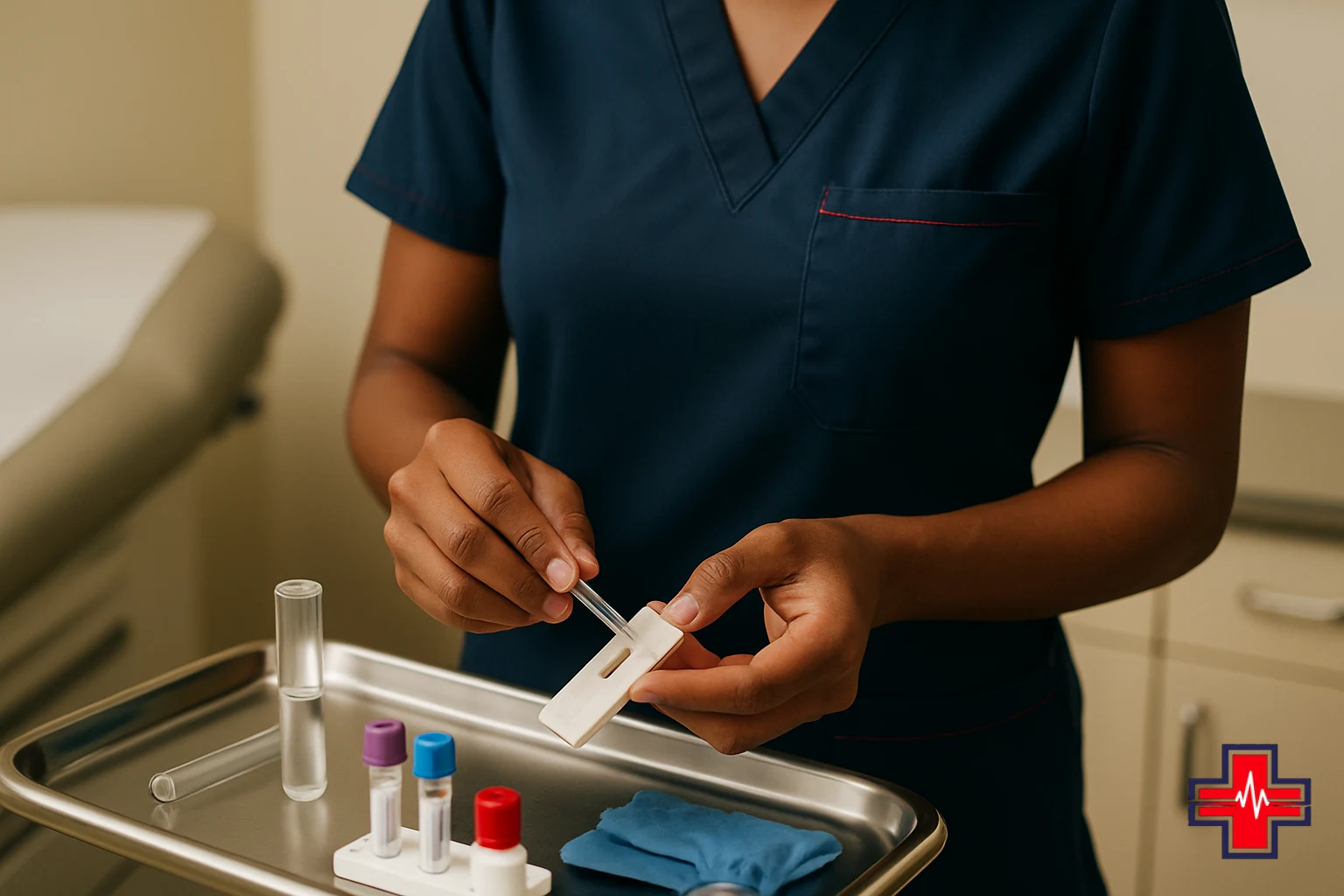
HIV rapid testing is a quick, point-of-care diagnostic tool that detects evidence of HIV infection in blood or oral fluid. Unlike laboratory-based tests that may take days to process, rapid tests can deliver preliminary results in 20–30 minutes, making them ideal for emergency room and urgent care settings. A small sample—typically a finger-stick blood draw or oral swab—is tested on-site using immunoassay technology that looks for either antibodies (proteins the body produces in response to infection) or antigens (viral proteins themselves).
The speed of rapid HIV testing makes it particularly valuable for people experiencing acute concern about potential exposure or those seeking peace of mind after a risky event. At ER of Fort Worth, our medical team understands the anxiety that accompanies HIV testing and provides a calm, confidential environment where you can get answers without judgment. Whether you live in Fort Worth, Keller, Alliance, Saginaw, or surrounding areas like Watauga and Haslet, we're available 24 hours a day to support your testing needs.
Antibody vs. Antigen Tests: What's the Difference?
Antibody tests detect immune proteins that your body produces after HIV infection occurs. These tests are reliable and widely available, but they may not be positive in the immediate weeks after exposure—this delay is called the window period. Third-generation antibody-only tests typically require 23–90 days for reliable detection, though most people develop detectable antibodies within 18–45 days.
Antigen tests (also called p24 antigen tests) directly detect viral proteins in the bloodstream, which appear earlier than antibodies—often within 18 days of infection. Fourth-generation tests combine both antibody and antigen detection, offering the earliest possible window for accurate results. These combination tests are considered the gold standard for rapid HIV screening in modern emergency and urgent care settings.
At ER of Fort Worth, our team can discuss which test type may be most appropriate for your situation, considering the timing of potential exposure and your individual risk factors. Because rapid testing is a screening tool, a positive result will be confirmed with a more comprehensive laboratory test (called a confirmatory test) to ensure accuracy before any diagnosis is made.
Understanding the Window Period
The window period is the critical gap between the moment of potential HIV exposure and the point at which a test can reliably detect infection. During this time, an infected person may test negative on a rapid antibody test—even though they are carrying the virus and can transmit it to others. Understanding the window period is essential for making informed decisions about testing and prevention.
For most people, the window period lasts 18–45 days, though it can extend longer in some cases. During this window, an infected person is highly contagious but may not yet show any symptoms. This underscores why prompt testing is important: if you believe you've been exposed, getting tested sooner rather than later—and understanding what a negative result really means—helps you and your healthcare provider make the best decisions about follow-up care and prevention strategies like post-exposure prophylaxis (PEP) or pre-exposure prophylaxis (PrEP).
If your rapid test is negative but you tested within the window period, your healthcare provider at ER of Fort Worth may recommend repeat testing after the window closes to confirm your status. This approach ensures the most accurate result and gives you clear medical guidance moving forward.
HIV Rapid Testing at ER of Fort Worth
ER of Fort Worth is a fully equipped 24/7 emergency room located at 4561 Heritage Trace Parkway, Suite 117, Fort Worth, TX 76244. We offer confidential HIV rapid testing with same-day results and compassionate post-test support. Our emergency medicine physicians and nursing staff are trained in infectious disease screening and understand the sensitive nature of HIV testing. Whether you're experiencing symptoms of acute illness or seeking proactive testing after a potential exposure, we welcome you without judgment.
The testing process is straightforward and minimally invasive. After a brief intake conversation with our medical team, you'll provide a small blood or oral fluid sample. Our laboratory staff processes the test on-site, and within 20–30 minutes, you'll receive your preliminary result. Our providers will review the result with you in person, explain what it means in the context of the window period if relevant, and discuss any next steps—whether that's confirmatory testing, medical referrals, or counseling resources.
Patients from Keller, North Richland Hills, Southlake, Grapevine, Flower Mound, and other nearby communities in the Dallas–Fort Worth area can reach ER of Fort Worth quickly. We accept walk-ins 24 hours a day, and you can also use our Online Check-In feature to reduce wait time and streamline the registration process before you arrive.
Post-Test Counseling and Next Steps
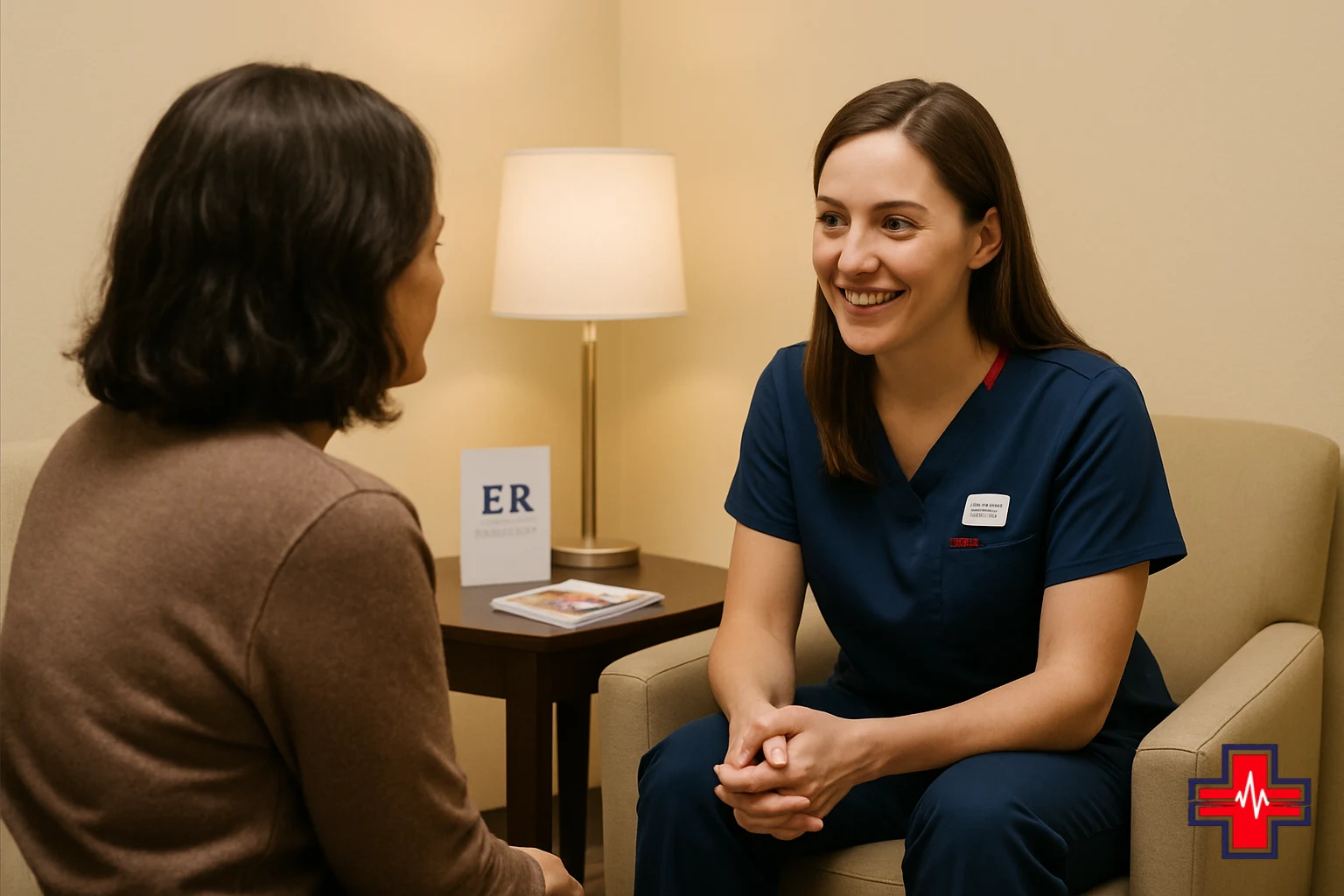
Receiving an HIV test result—whether negative or positive—is emotionally significant, and post-test counseling is a vital part of the process. At ER of Fort Worth, our medical team takes time to explain your result, address your questions, and outline what comes next based on your individual situation.
If your rapid test is negative: Our providers will discuss the window period relevant to your exposure timeline. If you tested during the window period, we may recommend retesting after the window closes to confirm your status. We'll also discuss prevention strategies, including safer sex practices, regular testing if you're sexually active, and resources for HIV prevention medications if appropriate.
If your rapid test is positive: A confirmatory test will be ordered to verify the result before any diagnosis is made. Simultaneously, our team will provide referrals to infectious disease specialists, discuss the importance of early treatment, and connect you with social support services, counseling, and patient education resources. Modern HIV treatments are highly effective, and early intervention can lead to excellent health outcomes and help prevent transmission to others.
Post-test counseling also includes discussion of disclosure (telling partners about your status), partner notification services in some cases, and resources for addressing psychological and emotional aspects of testing. Our goal is to ensure you feel supported, informed, and empowered to take the next steps in your healthcare journey.
When to Seek HIV Rapid Testing
HIV rapid testing may be appropriate in several situations. If you've had unprotected sexual contact with a partner of unknown or positive HIV status, testing is strongly recommended. Similarly, if a condom broke during intercourse or you've shared injection equipment, seeking prompt testing allows you to take timely preventive action if needed.
Healthcare workers or others who may have had occupational exposure (such as a needlestick injury) should seek testing immediately and discuss post-exposure prophylaxis (PEP) with their provider—a 28-day course of anti-HIV medication that can prevent infection if started within 72 hours of exposure. Pregnant people with potential exposure should also test urgently, as early treatment dramatically reduces the risk of transmitting HIV to the baby.
Additionally, people in relationships where one partner is positive and the other's status is unknown should discuss testing as part of comprehensive sexual health planning. Regular testing—at least annually for sexually active individuals, or more frequently depending on risk factors—is recommended by public health authorities.
If you're experiencing symptoms like persistent fever, swollen lymph nodes, rash, or severe fatigue in the weeks following potential exposure, seeking care at ER of Fort Worth allows our providers to evaluate you comprehensively and offer appropriate testing and medical support.
Confidentiality and Emotional Support
Concerns about privacy and confidentiality are understandable and valid. ER of Fort Worth maintains strict medical privacy standards in accordance with federal HIPAA regulations. All HIV testing is confidential, and results are protected as part of your medical record. You have the right to know what information is in your medical file and to control who has access to it.
Beyond confidentiality, emotional support is integral to the HIV testing experience. Learning your status can trigger anxiety, relief, fear, or a complex mix of emotions. Our staff at ER of Fort Worth is trained in trauma-informed, stigma-free care. We recognize that HIV testing touches on deeply personal aspects of identity, relationships, and health, and we approach every patient with respect and compassion.
We can connect you with licensed counselors, community-based organizations, and peer support groups in the Fort Worth and Dallas area that specialize in HIV care and support. These resources can help you process your result, understand your options, and build a support network as you move forward. Whether you're in Fort Worth, Roanoke, Haltom City, Bedford, or another nearby community, we're committed to ensuring you leave our emergency room with not just a test result, but with the information and human support you need.
Frequently Asked Questions
How long after potential exposure should I get an HIV rapid test?
You can get tested as soon as possible after potential exposure; however, results during the window period (typically 18–45 days) may be falsely negative if you're infected. Fourth-generation antigen/antibody tests may detect infection earlier than antibody-only tests. If your rapid test is negative but you're within the window period, repeat testing after the window closes is recommended to confirm your status.
Can I trust a negative rapid HIV test result?
Rapid tests are highly accurate once the window period has passed, with sensitivity rates over 99%. However, if you tested during the window period, a negative result doesn't definitively rule out infection. Our ER doctors will discuss your specific exposure timeline and recommend follow-up testing if appropriate.
What happens if my rapid test is positive?
A positive rapid test triggers confirmatory laboratory testing to verify the result before any diagnosis is made. Simultaneously, our team connects you with infectious disease specialists, discusses treatment options, and provides referrals for counseling and support services. Early medical care leads to excellent outcomes with modern HIV treatments.
Is HIV rapid testing available 24/7 at ER of Fort Worth?
Yes. ER of Fort Worth is open 24 hours a day, 7 days a week, and offers confidential HIV rapid testing and post-test counseling around the clock. You can walk in at any time or use our Online Check-In feature to streamline the process.
Will my HIV test result be kept confidential?
Yes. All HIV testing is confidential and protected under federal HIPAA privacy regulations. Results are part of your medical record and are shared only with healthcare providers involved in your care and with those you authorize. Your privacy is a fundamental right in our care.
What is the difference between a rapid test and a laboratory HIV test?
Rapid tests deliver preliminary results on-site within 20–30 minutes using a small blood or oral fluid sample. Laboratory tests (like RNA or DNA tests) are more comprehensive but require days to process. Rapid tests are excellent for screening; laboratory tests are often used for confirmation or monitoring in established diagnosis.