
Chlamydia & Gonorrhea Testing at Fort Worth ER
If you're concerned about chlamydia or gonorrhea exposure, rapid confidential testing and same-day treatment are available at ER Of Fort Worth. We provide discreet STD screening and comprehensive care for sexually transmitted infections 24 hours a day.
In This Article
- Understanding Chlamydia and Gonorrhea
- Co-Infection Risk: Why Dual Testing Matters
- Rapid Testing Methods at Fort Worth ER
- Antibiotic Treatment Options and Effectiveness
- Partner Notification and Preventive Care
- When to Seek Testing: Symptoms and Risk Factors
- Confidentiality and Judgment-Free Care
- Frequently Asked Questions
⚡ Key Takeaways
- Chlamydia and gonorrhea are treatable bacterial infections; early detection and antibiotic treatment prevent serious complications.
- Co-infection occurs in 30–40% of patients diagnosed with one STI, making dual testing essential.
- Fort Worth ER offers rapid testing with same-day results and confidential partner notification support.
- Untreated infections can lead to pelvic inflammatory disease, infertility, and chronic complications.
- All testing and treatment at our 24/7 facility is confidential and conducted without judgment.
Understanding Chlamydia and Gonorrhea
Chlamydia trachomatis and Neisseria gonorrhoeae are the two most commonly reported bacterial sexually transmitted infections in the United States. Both infections can affect the urogenital tract and, if untreated, may spread to the reproductive organs, rectum, and throat. Many people experience no symptoms, which is why regular testing is critical for sexually active individuals.
Chlamydia often causes mild or no symptoms; when present, signs may include urethral discharge, dysuria (painful urination), and pelvic discomfort. Gonorrhea typically produces more noticeable symptoms, such as purulent discharge and burning urination, though asymptomatic infections are also common. Both infections are entirely treatable with appropriate antibiotics when diagnosed early. The challenge lies in the fact that untreated infections can ascend to the upper reproductive tract, leading to pelvic inflammatory disease (PID), tubo-ovarian abscess, chronic pain, and infertility. For these reasons, STD testing at a 24/7 facility like ER Of Fort Worth ensures you receive prompt diagnosis and care without delay.
Co-Infection Risk: Why Dual Testing Matters
A significant clinical reality often overlooked by patients is that chlamydia and gonorrhea frequently occur together. Research shows that 30–40% of individuals diagnosed with one infection carry the other simultaneously. This high co-infection rate means that testing for only one organism risks missing a dual diagnosis and provides incomplete treatment coverage.
Co-infections amplify the risk of serious complications. When both bacteria are present, the inflammatory response is more pronounced, increasing the likelihood of ascending infection and permanent damage to the fallopian tubes and epididymis. Additionally, untreated dual infection raises the risk of transmitting both pathogens to sexual partners. At ER Of Fort Worth, we recommend reflexive testing for both chlamydia and gonorrhea in a single visit, ensuring comprehensive detection and guiding appropriate antibiotic selection. This approach eliminates the need for repeat visits and reduces the window of time during which complications can develop.
Rapid Testing Methods at Fort Worth ER
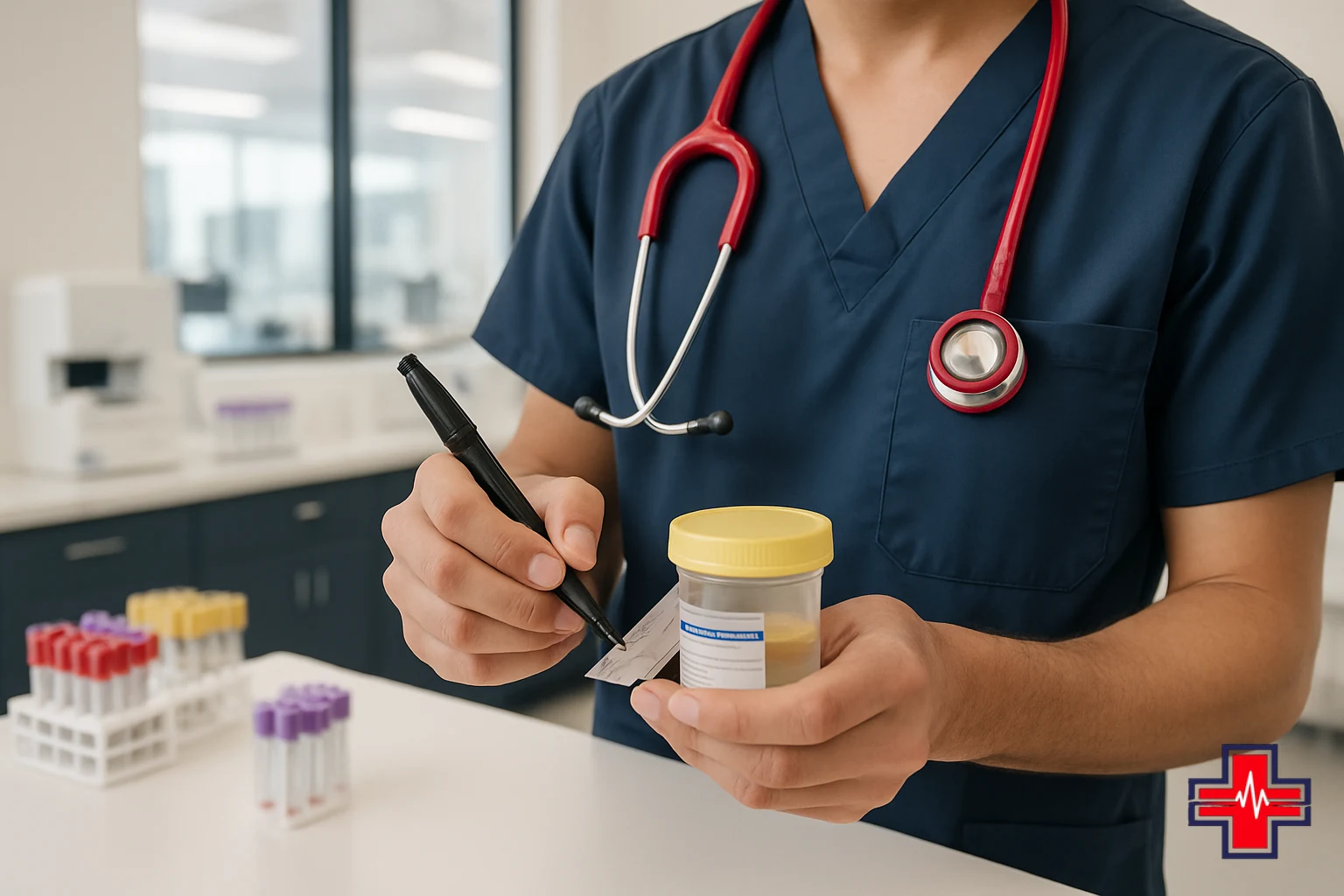
Modern rapid testing has transformed STD diagnosis from a multi-day wait to same-day or next-day results. The most sensitive and specific methods are nucleic acid amplification tests (NAATs), such as PCR or TMA, which can detect chlamydia and gonorrhea from urine, urethral, cervical, pharyngeal, or rectal specimens depending on the site of infection. These tests are highly accurate and remain the gold standard recommended by the CDC.
At our Fort Worth facility, we offer rapid STD testing protocols that allow results to be available within hours in many cases. This rapid turnaround enables immediate treatment initiation, reducing transmission risk and preventing complications. Our medical team will discuss specimen collection with you in detail to ensure the appropriate site is tested based on your sexual exposure history. Whether you are symptomatic or asymptomatic, we maintain complete confidentiality and provide counseling on what your results mean and next steps for your health and your partners' health.
Antibiotic Treatment Options and Effectiveness
Both chlamydia and gonorrhea are highly susceptible to antibiotic therapy when appropriate regimens are used. Current CDC-recommended treatment for chlamydia typically includes azithromycin or doxycycline; for gonorrhea, ceftriaxone is the standard first-line agent, often given as a single intramuscular or intravenous injection. The choice of antibiotic depends on the organism identified, the site of infection, allergy history, and local resistance patterns.
One critical advantage of seeking care at a 24/7 emergency facility is that IV antibiotics can be administered immediately upon diagnosis, accelerating treatment onset. For patients with uncomplicated urogenital chlamydia or gonorrhea, oral antibiotics are often sufficient and can be started the same day as testing. Success rates for antibiotic treatment exceed 95% when patients take the full prescribed course and abstain from sexual contact during treatment. Partners must also be treated to prevent reinfection. Our providers at ER Of Fort Worth will provide detailed instructions on medication adherence, potential side effects, and the importance of partner treatment before you leave the facility.
Partner Notification and Preventive Care
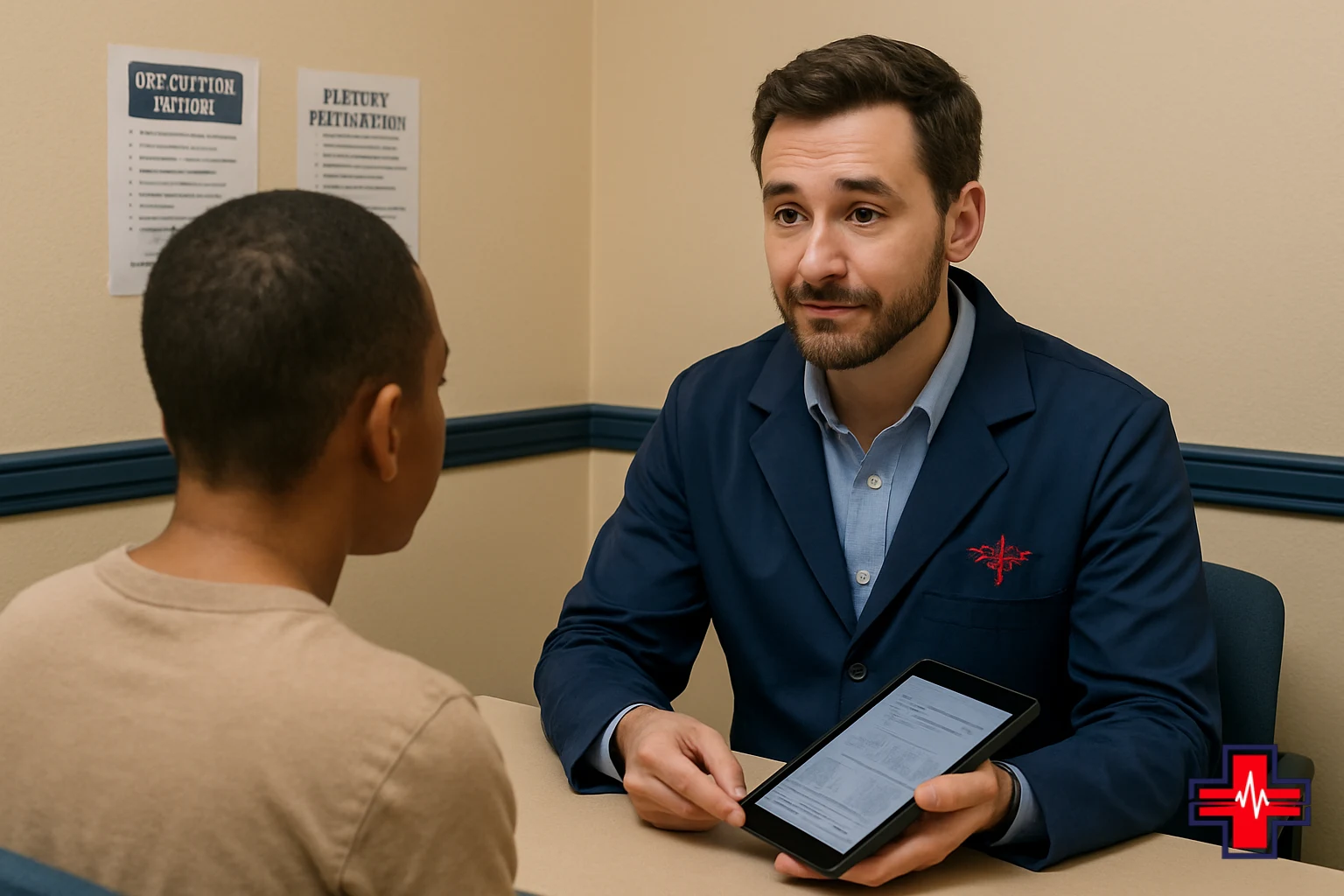
One of the most important—and often overlooked—aspects of STD treatment is partner notification and empiric treatment. Sexual partners of confirmed chlamydia or gonorrhea patients should be evaluated and treated immediately, even if they report no symptoms, to prevent ongoing transmission and reinfection. Many public health departments in Texas offer confidential partner notification services, which can be helpful if direct communication is difficult or unsafe.
At ER Of Fort Worth, our clinical team will discuss partner notification openly with you. We can provide resources and guidance on how to communicate with partners and encourage them to seek care. Some patients prefer to have partners treated empirically without testing first, which is often recommended when epidemiologic evidence is strong. We also offer counseling on safer sexual practices, barrier contraception, and the value of regular STD screening for sexually active individuals. For patients in Fort Worth, Keller, Alliance, Saginaw, Haslet, Watauga, Roanoke, North Richland Hills, Haltom City, Bedford, Southlake, Grapevine, and Flower Mound, our location at 4561 Heritage Trace Parkway makes urgent partner care coordination straightforward.
When to Seek Testing: Symptoms and Risk Factors
Testing for chlamydia and gonorrhea is appropriate in several scenarios. First, if you have symptoms suggestive of urogenital infection—such as dysuria, urethral or vaginal discharge, testicular or pelvic pain, or rectal discomfort—seek testing immediately. Second, if you have had unprotected sexual contact with a new or untested partner, or if a sexual partner reports a positive STD test, testing is essential. Third, if you are pregnant, routine screening for both organisms is part of standard prenatal care because untreated infections increase the risk of preterm labor, chorioamnionitis, and neonatal infection.
Regular screening is also recommended for sexually active individuals under 25 years old, regardless of symptoms, as this age group has the highest infection rates. LGBTQ+ individuals and men who have sex with men (MSM) should consider annual screening or screening after each new partner. If you fall into any of these categories or have concerns about potential exposure, ER Of Fort Worth provides same-day evaluation and testing 24/7 without the need for a scheduled appointment. Online check-in is available to reduce wait time in the facility.
Confidentiality and Judgment-Free Care
A major barrier to STD testing is fear of stigma and breach of confidentiality. Many patients delay or avoid testing because they worry about judgment from healthcare providers or concern that their information will be shared with employers, family, or partners. At ER Of Fort Worth, we are committed to providing confidential, non-judgmental sexual health care. All STD testing and results are protected under medical privacy laws, and our providers understand the sensitive nature of this care.
Our experienced clinical team has managed thousands of patients seeking STD testing and treatment, and we approach every patient with professionalism and respect. We do not involve family members in conversations about sexual health unless you explicitly request it. All medical records are secure, and information is shared only as legally required or with your explicit consent. Coming to a freestanding emergency room rather than a primary care clinic also offers additional privacy, as your visit is distinct from routine health maintenance. If you are in Keller, Saginaw, North Richland Hills, or any surrounding community in the Dallas–Fort Worth metroplex, our Fort Worth Emergency Room location provides discreet, compassionate care for all sexual health concerns.
Frequently Asked Questions
How long does it take to get chlamydia and gonorrhea test results?
At ER Of Fort Worth, rapid testing methods (NAAT) can provide results within hours to a day, depending on the specific test platform used. We will discuss timing with you at the time of testing and ensure you understand how and when to access your results.
Can chlamydia and gonorrhea be detected in a single urine test?
Yes. Nucleic acid amplification tests (NAATs) can detect both chlamydia and gonorrhea from a urine specimen or a urethral swab. For comprehensive screening, we may also test other sites (cervical, pharyngeal, rectal) depending on your exposure history.
What if I test positive for both chlamydia and gonorrhea?
If you test positive for both organisms, you will receive antibiotics targeting both infections. Your sexual partners will also need testing and treatment. Our providers will discuss treatment options and partner notification at the time of your visit.
Can untreated chlamydia or gonorrhea cause permanent damage?
Yes. Untreated infections can ascend to the upper reproductive tract, causing pelvic inflammatory disease, scarring of the fallopian tubes, ectopic pregnancy, and infertility. Early diagnosis and antibiotic treatment prevent these serious complications.
Is chlamydia and gonorrhea testing confidential at ER Of Fort Worth?
Absolutely. All STD testing and results are confidential and protected under medical privacy law. Our providers conduct this care without judgment and do not share information without your consent.
What should I do while waiting for test results?
During the window before diagnosis confirmation, it is safest to avoid sexual contact to prevent transmission to partners. If symptoms are present, refrain from intercourse. Once you receive results and treatment (if needed), follow your provider's guidance on when it is safe to resume sexual activity.