
Lab Tests for Fever and Chills | What ER Orders
When fever and chills arrive together, your body is signaling an infection or systemic illness that requires rapid diagnosis. ER Of Fort Worth uses targeted laboratory testing to identify the cause and guide treatment within hours.

In This Article
⚡ Key Takeaways
- Complete blood count (CBC) is typically the first test ordered—it reveals infection markers and helps pinpoint bacterial vs. viral causes.
- Blood cultures identify the specific organism causing infection, enabling targeted antibiotic therapy rather than broad-spectrum guessing.
- Urinalysis and urine culture detect urinary tract infections, one of the most common fever sources in emergency patients.
- Rapid diagnostic tests like strep, influenza, and COVID-19 panels provide same-visit results to guide immediate treatment decisions.
- If you experience fever above 103°F with severe chills, altered mental status, or difficulty breathing, seek emergency care immediately.
Why Lab Tests Matter for Fever and Chills
Fever and chills are your immune system's response to infection or inflammation. While the fever itself is a symptom, not a disease, determining the underlying cause is essential for proper treatment. A patient in Fort Worth presenting with sudden chills and a rising temperature could have anything from a urinary tract infection to pneumonia to sepsis—and each requires different management.
Lab tests transform a vague complaint into specific diagnostic information. Instead of treating fever blindly with broad-spectrum antibiotics, emergency physicians use testing to confirm bacterial infection, identify the organism, rule out serious complications, and spare patients unnecessary medication. This precision medicine approach reduces antibiotic resistance while improving outcomes.
At ER Of Fort Worth, on-site laboratory capabilities mean your fever workup begins within minutes of arrival. Blood is drawn during triage, processed immediately, and results guide clinical decisions in real time—rather than waiting hours or days for external lab reports.
Complete Blood Count (CBC) in Fever Workup
The Complete Blood Count is the cornerstone of fever evaluation. This test measures three main cell lines: white blood cells (WBC), red blood cells, and platelets. Each tells a story about what's happening in your body.
White Blood Cell Count: A normal WBC is roughly 4,500–11,000 cells per microliter. Fever with elevated WBC—especially a "left shift" showing immature white cells—suggests bacterial infection. Very high counts may indicate pneumonia, abscess, or meningitis. Conversely, low WBC with fever can signal severe infection overwhelming the immune system or a viral illness like influenza.
Hemoglobin and Hematocrit: These measure oxygen-carrying capacity. Severe infection can cause anemia, which the CBC detects. This matters because anemia exacerbates fatigue and shortness of breath in already ill patients.
Platelet Count: Thrombocytopenia (low platelets) with fever raises concern for sepsis, dengue, or other serious systemic infections. Physicians use this data to stratify illness severity and decide on hospitalization.
The CBC typically returns within 30–60 minutes, making it invaluable for real-time triage. Residents across Fort Worth, Keller, North Richland Hills, and surrounding areas benefit from ER Of Fort Worth's ability to obtain and act on CBC results while the patient is still in the examination room.
Blood Cultures and Infection Diagnosis
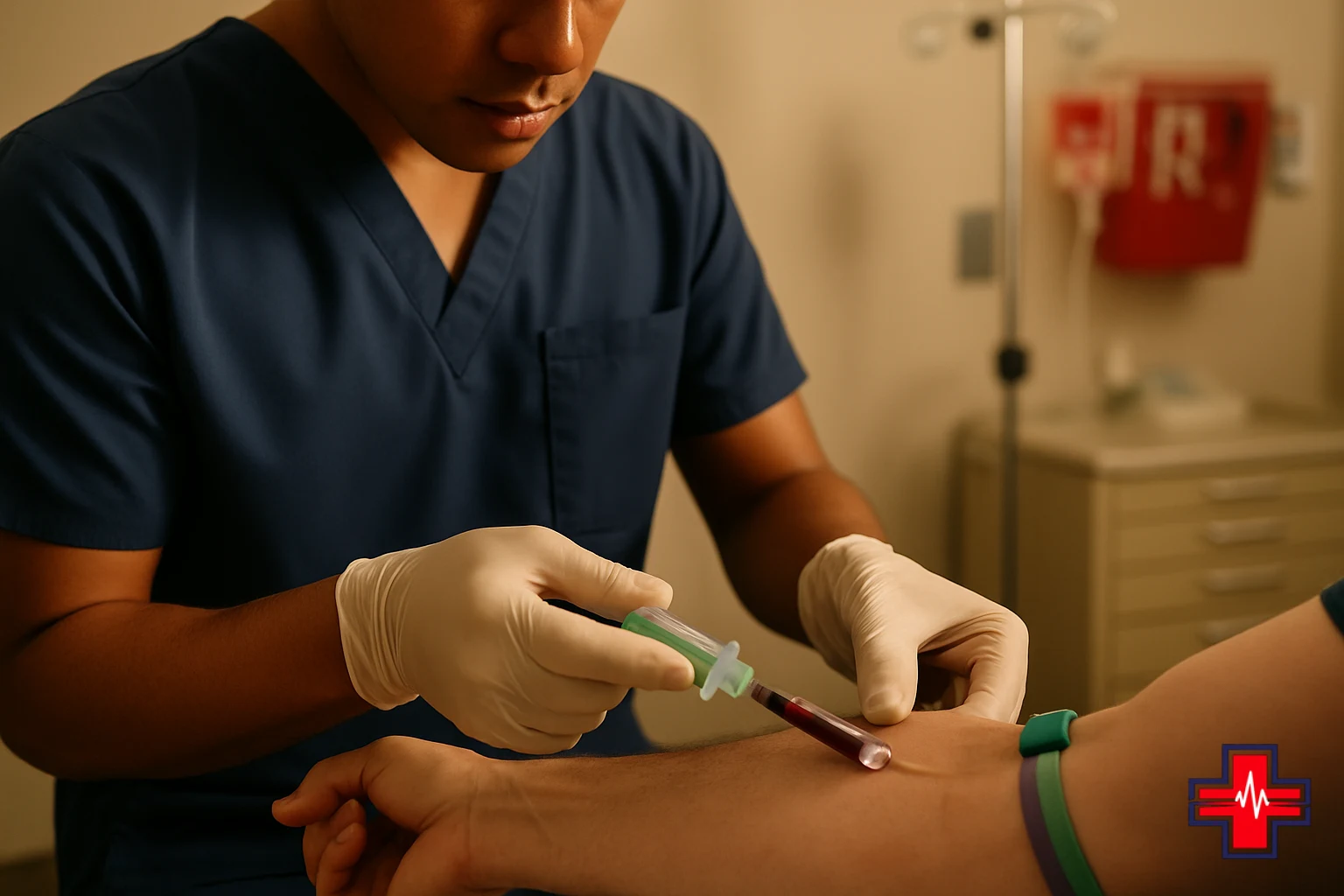
Blood cultures are the gold standard for infection diagnosis in patients with fever and systemic symptoms. This test involves drawing blood into special bottles that encourage bacterial or fungal growth, then incubating the samples in the laboratory's culture system.
The critical advantage: once the organism grows, the lab performs sensitivity testing to determine which antibiotics kill it most effectively. If a patient started on empiric (broad-spectrum) antibiotics based on clinical suspicion, the culture results allow the physician to narrow the regimen to the single most effective drug—improving outcomes and reducing side effects.
Blood cultures also confirm bacteremia (bacteria in the bloodstream), which distinguishes serious bacterial infection from viral fever. A positive blood culture in a febrile patient with chills typically warrants hospital admission and IV antibiotics. Negative cultures, when combined with clinical improvement, may allow outpatient management.
The drawback is timing: preliminary culture results take 24–48 hours, and final identification with sensitivities can take longer. This is why ER physicians do not wait for cultures to start treatment. Instead, they use the CBC, urinalysis, and clinical presentation to choose empiric antibiotics immediately, then adjust therapy once culture results confirm the organism.
For patients in Alliance, Haslet, Saginaw, and throughout greater Fort Worth, ER Of Fort Worth sends blood cultures to reference laboratories while also maintaining on-site rapid testing capabilities, ensuring no delay in treatment initiation.
Urinalysis and UTI Detection
Urinary tract infections are among the most common causes of fever in emergency departments, especially in women and elderly patients. A urinalysis (UA) is routinely ordered alongside blood work because UTI often presents as fever with chills, and the urine findings are highly specific.
A standard urinalysis checks for:
- Pyuria: White blood cells in urine (suggests infection or inflammation)
- Bacteriuria: Bacteria visible on microscopy
- Nitrites: A byproduct of certain bacteria; presence is highly specific for bacterial UTI
- Leukocyte esterase: An enzyme released by white cells fighting infection
- pH and specific gravity: Help assess hydration and kidney function
If urinalysis is abnormal, a urine culture is sent. Like blood culture, the urine culture identifies the organism and its sensitivities, guiding targeted therapy. Many UTIs respond to oral antibiotics once identified, sparing the patient hospitalization.
Patients from Keller, Roanoke, Watauga, and surrounding areas can access rapid UTI treatment ER services at ER Of Fort Worth. Same-day urinalysis and culture results drive fast, effective treatment decisions.

Rapid Diagnostic Tests for Fever
Beyond routine blood work, emergency laboratories deploy rapid diagnostic panels to identify common viral and bacterial causes of fever within minutes to hours. These tests are invaluable because they narrow the differential diagnosis quickly, allowing physicians to avoid unnecessary antibiotics in viral illnesses.
Respiratory Viral Panels: Multiplex PCR tests detect influenza A and B, respiratory syncytial virus (RSV), parainfluenza, metapneumovirus, rhinovirus, and coronavirus (COVID-19) from a nasopharyngeal swab. A patient with fever, cough, and myalgia who tests positive for influenza can be spared bacterial antibiotics and given antiviral therapy instead.
Streptococcal Testing: Rapid strep testing from a throat swab provides same-visit results. Positive rapid strep confirms group A streptococcal pharyngitis, guiding penicillin or amoxicillin therapy. Negative tests may prompt backup culture if clinical suspicion remains high.
COVID-19 and Monkeypox Assays: RT-PCR and antigen tests provide results within 15–30 minutes, critical for isolation decisions and outbreak control.
Mononucleosis Testing: Monospot or EBV-specific antibody testing helps differentiate viral pharyngitis from bacterial strep, again sparing unnecessary antibiotics.
These rapid tests represent a shift toward precision diagnosis. Residents of Grapevine, Southlake, Flower Mound, and greater Fort Worth who arrive at ER Of Fort Worth with fever benefit from this rapid turnaround, enabling discharge home with appropriate antiviral therapy rather than prolonged evaluation.
Metabolic Panel and Organ Function
A comprehensive metabolic panel (CMP) evaluates kidney function, liver function, electrolytes, and glucose in patients with fever and chills. Severe infections can impair these systems, and early recognition prevents complications.
Kidney Function: Creatinine and blood urea nitrogen (BUN) assess the kidneys' ability to filter waste. Fever with elevated creatinine may indicate dehydration from inadequate fluid intake during illness, or worse, sepsis-induced acute kidney injury. This finding alone can prompt hospital admission and intravenous fluid resuscitation.
Electrolytes: Sodium, potassium, and other electrolytes become deranged during severe infection. Abnormal electrolytes can cause confusion, weakness, and arrhythmias—complicating recovery.
Liver Function: Aminotransferases (ALT, AST) and bilirubin elevate in viral hepatitis, mononucleosis, and sepsis. These findings help narrow the differential diagnosis and assess disease severity.
Glucose: Fever increases metabolic demand. A patient with diabetes may experience hyperglycemia during infection, requiring insulin adjustment. Conversely, severe sepsis can cause hypoglycemia—a medical emergency.
The metabolic panel, combined with CBC and blood culture, creates a comprehensive snapshot of organ status. This is why emergency physicians don't rely on a single test. They order a fever workup panel that includes multiple tests, each providing unique information that, together, guide safe, effective treatment.
When to Seek Emergency Care for Fever and Chills
If you are experiencing a life-threatening emergency, call 911 or go to the nearest emergency room immediately.
Not all fever requires emergency evaluation. A healthy adult with low-grade fever (100–101°F) and mild chills from a cold virus can often recover at home with rest and fluids. However, certain presentations demand urgent laboratory evaluation at ER Of Fort Worth or another emergency facility.
Seek immediate ER care if you experience:
- Fever above 103°F with severe chills, confusion, or difficulty speaking
- Fever with severe headache, stiff neck, or rash—possible meningitis
- Fever with difficulty breathing or chest pain—possible pneumonia or sepsis
- Fever with altered mental status (confusion, delirium, unresponsiveness)
- Fever in a newborn (less than 3 months old)—always warrants urgent evaluation
- High fever in a child with seizures or extreme lethargy
- Fever with severe abdominal or flank pain—possible kidney infection or appendicitis
- Immunocompromised patients (HIV/AIDS, chemotherapy, transplant recipients) with any fever
- Persistent high fever (104°F+) not responding to fever reducers
Residents of Bedford, Haltom City, and surrounding areas can reach ER Of Fort Worth at 4561 Heritage Trace Parkway, Suite 117, Fort Worth, TX 76244 (phone: 817-945-4200) for 24/7 evaluation. Laboratory testing begins immediately upon arrival, and results guide treatment within hours.
Frequently Asked Questions
How long do fever lab test results take?
CBC and urinalysis results typically return within 30–60 minutes. Rapid viral tests (strep, flu, COVID) provide results within 15–30 minutes. Blood and urine cultures take 24–48 hours for preliminary results and longer for final identification and sensitivities. At ER Of Fort Worth, on-site processing accelerates these timelines significantly.
What's the difference between blood culture and blood test for fever?
A blood test (CBC) counts cells and detects infection markers. Blood culture grows organisms from your blood to identify the specific bacterium or fungus causing infection and test its antibiotic sensitivities. Culture takes longer but provides crucial information for targeted treatment.
Can fever and chills indicate a serious infection?
Yes. Fever with chills, combined with altered mental status, severe headache, or difficulty breathing, can signal sepsis, meningitis, or pneumonia—all medical emergencies. Laboratory testing helps confirm or rule out life-threatening conditions within hours, guiding immediate treatment decisions.
Do I need emergency testing if my fever is only 101°F?
Not necessarily. Fever below 102°F in a generally healthy adult with mild symptoms may resolve at home with rest and fluids. However, if fever persists beyond 3–5 days, or if new symptoms develop, seek evaluation. When in doubt, contact ER Of Fort Worth at 817-945-4200 for guidance.
Why do ER doctors order multiple tests instead of just one?
Multiple tests provide complementary information. CBC shows infection presence and severity; urinalysis pinpoints urinary tract involvement; blood culture identifies the organism; rapid tests narrow viral vs. bacterial causes. Together, they enable precise diagnosis and targeted, efficient treatment—avoiding unnecessary antibiotics and hospitalization when appropriate.
Should I go to the ER or urgent care for fever with chills?
If fever exceeds 103°F, you have severe symptoms (confusion, difficulty breathing, severe headache), or chills are accompanied by other warning signs, go to the ER for immediate laboratory testing and physician evaluation. For mild fever and minor symptoms, urgent care may suffice, though the ER's 24/7 on-site lab capability makes it ideal for complex cases.