
Second-Degree Burn Care at Home: Safe Treatment Steps
Second-degree burns affect the outer and deeper layers of skin, causing pain, blistering, and redness. Understanding safe home care steps and knowing when to visit an emergency room can help prevent infection and serious complications.
In This Article
- Understanding Second-Degree Burns and Partial-Thickness Injury
- Immediate First Aid: The Critical First 20 Minutes
- Blister Formation and Safe Blister Management
- Burn Dressing and Daily Wound Care at Home
- Signs of Infection and When to Seek Emergency Care
- Pain Management During Healing
- When to Visit ER Of Fort Worth for Burns
- Frequently Asked Questions
⚡ Key Takeaways
- Second-degree burns involve both the epidermis and dermis layers; cool the burn immediately with cool (not cold) running water for 10–20 minutes.
- Never pop blisters—intact blisters protect the wound and reduce infection risk; cover with clean, non-stick sterile dressing instead.
- Seek emergency care if the burn covers more than 3 inches, shows signs of infection, involves sensitive areas, or causes severe pain unrelieved by over-the-counter medication.
- Partial-thickness burns heal within 2–3 weeks if properly dressed and kept clean; monitor for redness, warmth, swelling, or pus that signal infection.
- ER Of Fort Worth provides professional wound assessment, IV antibiotics, and pain management for burns that exceed safe home-care boundaries.
Understanding Second-Degree Burns and Partial-Thickness Injury
A second-degree burn, also called a partial-thickness burn, damages both the epidermis (outer protective layer) and the dermis (the thicker layer beneath it). Unlike first-degree burns that affect only the epidermis, second-degree burns cause more pain, visible blistering, and redness because the deeper tissue is involved. The severity of a partial-thickness burn depends on how deep the heat penetrated and how large the affected area is.
Second-degree burns typically result from contact with hot liquids, steam, flames, or hot surfaces that linger on the skin long enough to cause deep tissue damage. Because the dermis contains nerve endings and blood vessels, these burns are extremely painful and prone to fluid loss and infection if not handled correctly. The skin may appear bright red, mottled, or patchy, and blisters often form within minutes to hours as fluid collects between the layers of damaged tissue.
Home care for second-degree burns is appropriate only when the burn is small (less than 3 inches across), not on sensitive areas like the face or joints, and showing no signs of infection or severe systemic symptoms. Larger burns or those in high-risk locations require professional medical evaluation at an emergency room to prevent permanent scarring and complications.
Immediate First Aid: The Critical First 20 Minutes
If you experience a second-degree burn, immediate cooling is your most important first-aid step. Remove any clothing or jewelry near the burn area (unless it is stuck to the skin—do not force it), then place the burned area under cool (not ice-cold) running water for 10–20 minutes. The cool water reduces heat deeper in the tissue, stops the burn from spreading, and helps relieve pain. Do not use ice directly on the burn, as extreme cold can cause frostbite and damage already-injured skin further.
While cooling the burn, do not apply butter, oil, toothpaste, or other home remedies—these can trap heat and increase infection risk. After the cooling period, gently pat the area dry with a clean cloth and leave it exposed to air for a short time. If the burn is small and the person is otherwise well, you can proceed to cover it with a sterile, non-stick dressing. However, if the burn is large, covers a joint, or involves the face, hands, feet, or genitals, seek emergency care immediately after cooling.
For burns on the hand or arm, elevation can help reduce swelling. Keep the burned area above the level of the heart when possible, as partial-thickness burns trigger significant fluid shifts and edema. Monitor for signs of shock (dizziness, rapid heartbeat, pale or clammy skin), which would require emergency transport.
Blister Formation and Safe Blister Management
Blisters are a hallmark of second-degree burns. They form when tissue damage causes fluid to accumulate between the epidermis and the deeper layers, creating a protective pocket over the wound. It is never safe to pop, drain, or puncture a blister at home, even if it appears very large or uncomfortable. The blister fluid is sterile and the intact blister roof acts as a biological barrier against bacteria and infection.
If a blister ruptures on its own due to friction or pressure, do not peel away the loose skin. Instead, gently clean the area with cool water and mild soap, pat dry, and cover with a non-stick sterile dressing. The loose skin can be trimmed away carefully by a healthcare provider if needed, but removing it yourself increases infection risk.
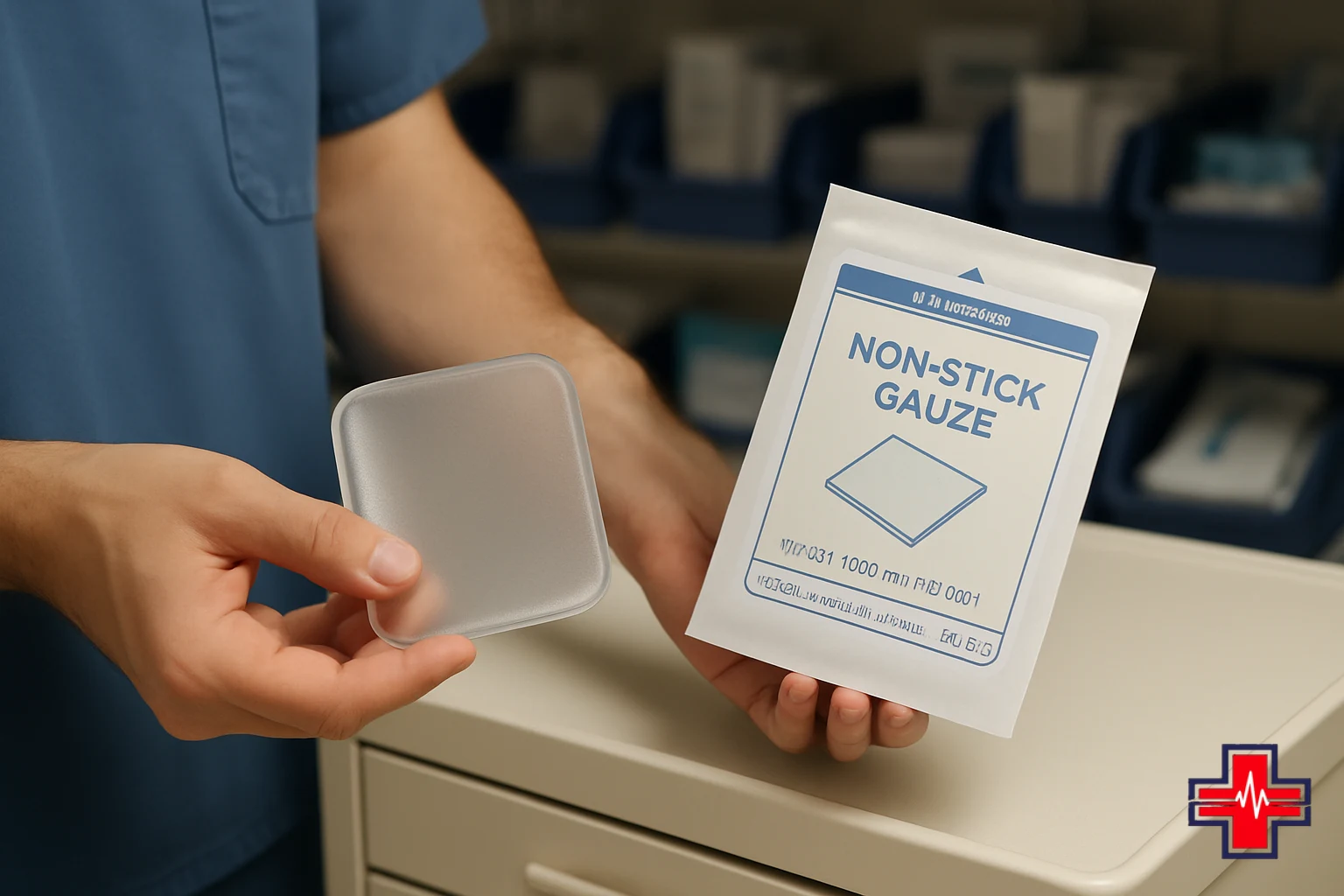
To protect blisters during healing, avoid touching the area, wear loose clothing over the burn, and use a non-stick dressing that will not stick to the blister surface. Some dressings are specially designed for blistering burns and can be changed less frequently (every 2–3 days) than standard gauze, reducing pain from dressing changes and lowering infection risk. If a blister becomes infected—showing signs like increased warmth, redness spreading beyond the blister, pus, or bad odor—seek emergency care at All ER Services in Fort Worth immediately.
Burn Dressing and Daily Wound Care at Home
Once you have cooled the burn and allowed it to dry, cover it with a clean, non-stick sterile dressing. Silicone-based or hydrogel dressings are ideal for second-degree burns because they do not stick to fragile new skin and can be left in place longer than traditional gauze (often 3–5 days depending on the product). Change the dressing if it becomes wet, soiled, or if you notice fluid or drainage leaking from beneath it.
Each time you change the dressing, gently clean the burn with cool water and mild, fragrance-free soap. Pat the area dry carefully—do not rub. Once the wound is clean and dry, apply a thin layer of antibiotic ointment (such as bacitracin or polymyxin B) before placing the new dressing. Antibiotic ointment helps prevent bacterial colonization and keeps the wound moist, which promotes faster healing and reduces scarring.
During healing, keep the burn protected from the sun for at least a year, as new skin is extremely vulnerable to sunburn and hyperpigmentation. Wear protective clothing or apply SPF 50+ sunscreen once the wound has closed. Avoid swimming or soaking the burn in bathwater until it is fully healed, to reduce infection risk. If swelling is significant, elevate the burned area and consider taking over-the-counter ibuprofen, which also reduces inflammation.
Signs of Infection and When to Seek Emergency Care
Even with proper home care, second-degree burns can become infected. Watch for red flags that signal you need professional medical attention: increasing redness or warmth spreading outward from the burn, swelling that worsens after the first 48 hours, pus or thick yellow/green drainage, a foul smell from the wound, or red streaks running up the arm or leg (suggesting lymphangitis). Fever, chills, or general illness also indicate infection has entered the bloodstream and requires immediate care.
If the burn begins to look infected, do not attempt to treat it at home with stronger topical antibiotics or remedies. Instead, visit Fort Worth Emergency Room or call 911 if symptoms are severe. ER providers can perform Blood Tests ER to confirm infection, prescribe IV Antibiotics ER if needed, and perform professional wound debridement to remove dead tissue safely.
Additionally, seek emergency care if you develop signs of cellulitis (spreading redness, warmth, swelling of the entire limb), if the burn becomes increasingly painful despite pain medication, or if you notice signs of compartment syndrome (severe, unrelenting pain, numbness, or color changes in the fingers or toes). These complications require urgent professional intervention to prevent permanent damage.
Pain Management During Healing
Second-degree burns are painful throughout healing, especially during the first few days and during dressing changes. Over-the-counter pain relievers like ibuprofen (which also reduces inflammation) or acetaminophen can help manage mild to moderate pain. Take these medications as directed on the package, and do not exceed the recommended daily dose.
For more severe pain, especially during dressing changes, ask a healthcare provider about prescription pain medication. Some patients benefit from taking pain medication 30–60 minutes before changing a dressing so the pain is blunted during the procedure. Cool compresses applied over the dressing (not directly on the wound) can also provide temporary relief.
Avoid applying ice directly to the burn, as it can cause frostbite on already-damaged skin. Instead, use a cool (room-temperature or slightly chilled) cloth held gently over the dressing. If pain becomes severe and is not controlled by over-the-counter medication, or if the pain is preventing you from sleeping or functioning, contact ER Of Fort Worth or visit an urgent care center to discuss additional pain management options.
When to Visit ER Of Fort Worth for Burns
If you are experiencing a life-threatening emergency, call 911 or go to the nearest emergency room immediately.
Not every second-degree burn requires an emergency room visit, but certain situations demand professional evaluation. You should seek immediate ER care if the burn covers an area larger than 3 inches, involves the face, hands, feet, joints, genitals, or any area that moves frequently. Burns in these locations carry higher infection and scarring risk and benefit from professional wound assessment and specialized dressing.
Also seek ER care if the burn resulted from a chemical exposure (chemical burns require specific flushing and monitoring), electrical contact, or a fire in an enclosed space (inhalation injury risk). If the person burned is very young (under 5 years old), elderly, or has a weakened immune system, even small second-degree burns warrant ER evaluation because these groups are at higher infection risk.
ER Of Fort Worth, located at 4561 Heritage Trace Parkway, Suite 117, Fort Worth, TX 76244, is a 24/7 freestanding emergency room serving Fort Worth and surrounding areas including Keller, Alliance, Saginaw, Haslet, Watauga, Roanoke, North Richland Hills, Haltom City, Bedford, Southlake, Grapevine, and Flower Mound. Our emergency medicine physicians and nursing staff are trained in burn wound care, infection prevention, and pain management. We can perform rapid wound assessment, apply professional dressings, administer IV pain medication if needed, and prescribe antibiotics to prevent infection. Call 817-945-4200 with questions, or use our Online Check-In option to reduce wait time if you need to visit.
Frequently Asked Questions
How long does it take for a second-degree burn to heal?
A partial-thickness (second-degree) burn typically heals within 2–3 weeks if properly treated and kept free of infection. Larger or deeper burns may take longer and are prone to more significant scarring. Professional wound care can help minimize complications and speed healing.
Can I use antibiotic ointment under a burn dressing?
Yes. Antibiotic ointment like bacitracin or polymyxin B applied under a sterile dressing helps prevent infection and keeps the wound moist, promoting faster healing. Reapply a thin layer each time you change the dressing.
What should I do if a blister pops on its own?
If a blister ruptures, gently clean the area with cool water and mild soap, pat it dry, and cover it with a non-stick sterile dressing. Do not peel away the loose skin. If signs of infection develop (redness, warmth, pus, odor), seek emergency care.
Is it safe to apply ice directly to a second-degree burn?
No. Direct ice contact can cause frostbite on already-damaged skin. Instead, cool the burn under cool running water for 10–20 minutes, or use a cool (not cold) cloth held gently over the dressing later in healing.
When should I go to the ER for a burn instead of treating it at home?
Seek emergency care if the burn is larger than 3 inches, involves the face/hands/feet/joints/genitals, resulted from chemicals or electrical contact, or if you notice signs of infection (spreading redness, pus, fever). ER Of Fort Worth is available 24/7 for burn evaluation.
Can I swim or soak a healing second-degree burn in water?
No. Avoid swimming and prolonged water immersion until the burn is fully healed. Soaking the wound increases infection risk. You can shower gently, but avoid letting the dressing stay wet for extended periods.