
Broken Bones & Fractures: Emergency Care Guide Fort Wor
Bone fractures range from hairline cracks to severe breaks requiring immediate stabilization and imaging. Understanding fracture types, recognizing symptoms, and knowing when to seek emergency care can mean the difference between rapid recovery and long-term complications.
In This Article
- Understanding Fracture Types and Bone Break Symptoms
- Immediate Emergency Response for Broken Bones and Fractures
- When to Seek Emergency Care for a Bone Fracture
- Diagnostic Imaging and Initial Assessment in the Emergency Room
- Fracture Recovery Timeline and Post-Emergency Management
- Special Considerations for Pediatric Fractures and Children
- Accessing Fracture Emergency Care in Fort Worth and Nearby Communities
- Frequently Asked Questions
⚡ Key Takeaways
- Immediate immobilization and ice application reduce swelling and pain while awaiting professional evaluation at an emergency room.
- Fractures range from stress fractures and hairline breaks to compound (open) fractures, each requiring different emergency protocols.
- X-rays and CT scans confirm fracture location and severity; early imaging guides treatment and prevents displacement complications.
- Recovery timelines vary from 4–6 weeks for simple fractures to 3+ months for complex breaks involving multiple bones or joints.
- Freestanding emergency rooms like ER Of Fort Worth provide rapid fracture assessment, pain management, and orthopedic referrals without lengthy waiting times.
Understanding Fracture Types and Bone Break Symptoms
A fracture occurs when bone tissue breaks or cracks, resulting from trauma, repetitive stress, or underlying bone disease. Not all fractures are immediately obvious, and the range of severity demands different response protocols. Recognizing the type and recognizing bone break symptoms early can prevent further injury and complications.
Closed (Simple) Fractures are breaks where the skin remains intact, and bone fragments do not penetrate the surface. These are common in falls, sports injuries, and vehicle collisions. Patients often report sharp pain, swelling, bruising, and loss of normal movement in the affected limb. A closed fracture of the arm or leg may still be displaced (bones misaligned) but carries lower infection risk than open breaks.
Open (Compound) Fractures involve a break in the skin through which bone fragments may protrude. These are medical emergencies because they carry a high risk of infection, bleeding, and neurovascular compromise. Open fractures require immediate emergency room evaluation, wound assessment, and often orthopedic surgery. If an object has impaled the wound or bone is visibly protruding, call 911 immediately and avoid manipulating the injury.
Stress Fractures and Hairline Breaks are incomplete fractures that may not show obvious displacement on initial X-rays. They develop gradually from repetitive impact—common in runners, dancers, and military personnel—and cause localized pain that worsens with activity. While less immediately life-threatening than complete fractures, they require prompt diagnosis and immobilization to prevent progression.
Comminuted and Intra-Articular Fractures involve multiple bone fragments (comminuted) or breaks that extend into a joint space (intra-articular). These complex breaks often require surgical reduction and can increase arthritis risk if not properly aligned. Patients with these fractures typically report severe pain, significant swelling, and inability to bear weight.
Bone break symptoms include immediate sharp pain at the fracture site, visible deformity or unnatural angle of the limb, rapid swelling and bruising, numbness or tingling distal to the break (nerve compression), and inability to move or bear weight on the injured area. Some patients report an audible crack or pop at the moment of injury.
Immediate Emergency Response for Broken Bones and Fractures
If you are experiencing a life-threatening emergency, call 911 or go to the nearest emergency room immediately. Severe fractures with arterial bleeding, signs of compartment syndrome (severe swelling, pain out of proportion to findings), or polytrauma from major accidents require paramedic transport and hospital-level care.
For suspected fractures that do not involve life-threatening bleeding or neurovascular compromise, the RICE protocol (Rest, Ice, Compression, Elevation) is the foundational first-aid approach. Immediately stop the activity causing injury and rest the affected limb. Apply ice wrapped in cloth—never direct ice on skin—for 15–20 minute intervals to reduce swelling and numb pain. Compression with an elastic bandage or wrap helps contain swelling, but avoid wrapping so tightly that circulation is compromised. Elevate the injured limb above heart level if possible to reduce fluid accumulation.
Immobilization is critical: stabilize the fracture site using a sling, splint, or pillow to prevent movement and further bone displacement. If a bone is visibly angulated or the limb appears severely deformed, gentle traction and realignment by trained personnel can reduce pain and prevent soft-tissue damage, but this should be attempted only by emergency medical personnel unless the limb is obviously compromised by vascular insufficiency (pale, cold, pulseless). In most cases, splint the fracture in the position found and transport to an emergency room.
Remove any jewelry, watches, or constrictive clothing from the injured area before swelling advances, as these can restrict circulation and cause tissue damage. If the fracture site is bleeding, apply direct pressure with clean cloth to control hemorrhage, but do not remove embedded objects—stabilize them and transport immediately.
Pain management before arriving at the emergency room may include over-the-counter ibuprofen or acetaminophen, though prescription analgesics should be withheld until medical evaluation, as pain severity informs diagnosis. Do not eat or drink if there is a possibility of requiring surgery, as anesthesia requires fasting.

When to Seek Emergency Care for a Bone Fracture
Not every suspected fracture requires a freestanding emergency room; some can be evaluated by urgent care, while others demand immediate 24/7 emergency response. Understanding the threshold for emergency care helps you access appropriate treatment quickly.
Seek immediate emergency care at a 24/7 facility for:
- Visible bone protrusion through the skin (open/compound fracture)
- Significant bleeding that does not stop with direct pressure
- Severe limb deformity or angulation
- Signs of neurovascular compromise: pallor, coldness, absence of pulse, numbness, or tingling distal to the fracture
- Fractures involving the hip, pelvis, or spine
- Fractures with associated head, chest, or abdominal trauma
- Suspected pathological fracture (break occurring in diseased bone, such as in osteoporosis, cancer, or metabolic bone disease)
- Open wounds with foreign material contamination (e.g., puncture wounds in a dirty environment)
Seek urgent evaluation within hours for:
- Displaced fractures of the arm or leg with stable neurovascular status
- Suspected fractures with moderate swelling and pain
- Hairline fractures of non-weight-bearing bones
- Isolated finger or toe fractures without vascular compromise
In Fort Worth and surrounding communities including Keller, North Richland Hills, Arlington, Grapevine, and Flower Mound, ER Of Fort Worth operates 24/7 to evaluate and stabilize fractures of any severity. Freestanding emergency rooms provide rapid triage, imaging, and specialist consultation without the wait times of traditional hospital ERs.
Diagnostic Imaging and Initial Assessment in the Emergency Room
Upon arrival at an emergency room, your fracture will be evaluated through a systematic process beginning with physical examination and rapid imaging assessment. The emergency physician will perform a focused orthopedic exam, assessing for swelling, deformity, crepitus (the feel or sound of bone fragments rubbing together), and neurovascular integrity. Pain with passive range-of-motion or inability to bear weight on a limb strongly suggests fracture.
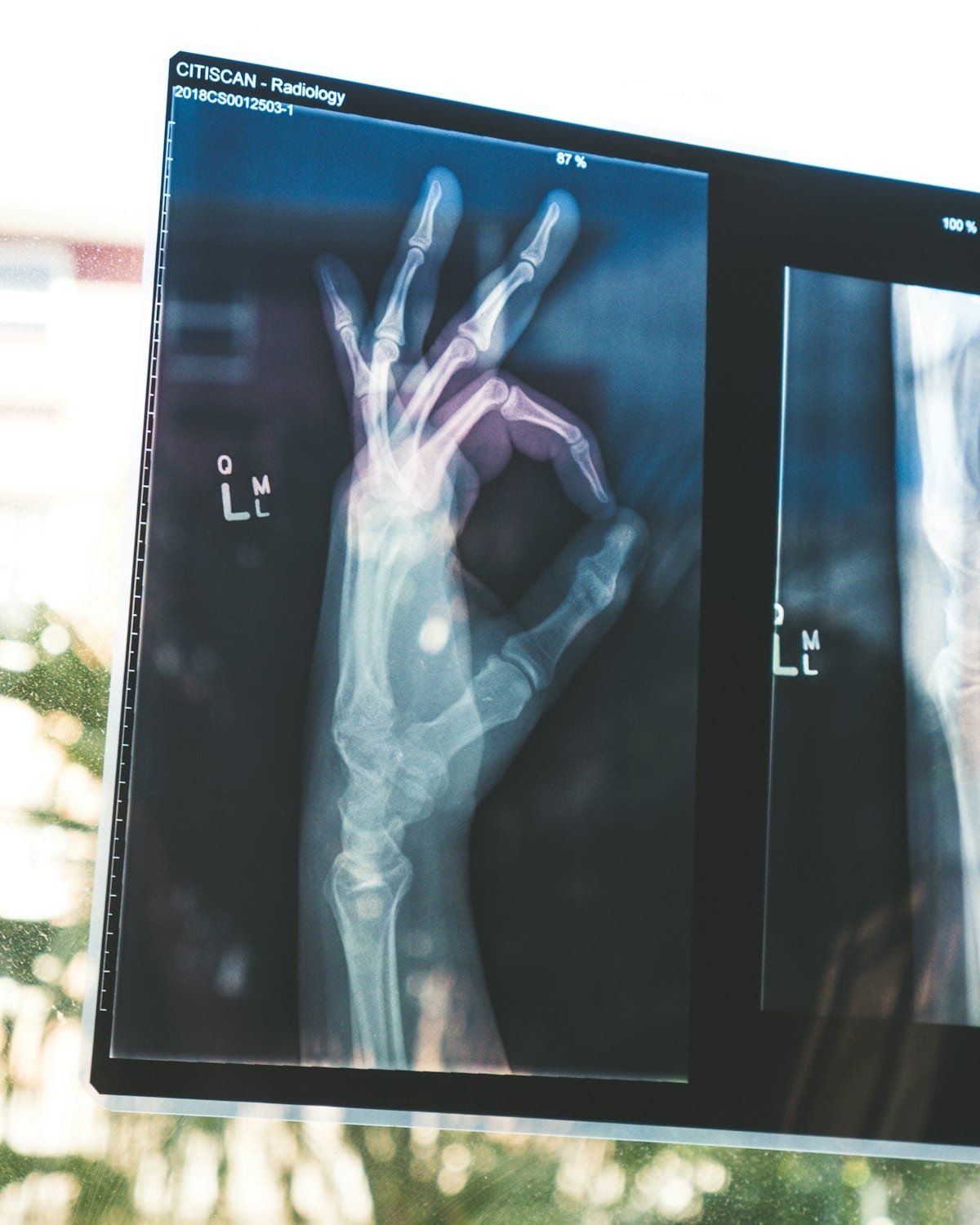
X-ray imaging remains the standard first-line diagnostic for suspected fractures. X-rays provide two-dimensional views of bone from different angles and can reveal most complete fractures, displacement, and angulation. For complex fractures, multiple views including stress views or comparison imaging of the opposite limb may be obtained. Modern ER facilities obtain X-rays within 15–30 minutes of arrival.
CT (Computed Tomography) scans are ordered when X-rays are inconclusive or when the fracture is complex. CT provides three-dimensional reconstruction and can detect stress fractures, hairline breaks, and subtle intra-articular involvement that X-rays might miss. This imaging guides surgical planning for complex breaks.
MRI (Magnetic Resonance Imaging) is generally not obtained in the acute emergency setting but may be ordered days to weeks later to assess soft-tissue injury (ligament tears, muscle contusions) associated with the fracture.
Laboratory testing is typically not required for isolated fractures unless there is polytrauma or suspicion of underlying metabolic disease. However, a urine pregnancy test may be obtained in females of childbearing age before X-ray exposure.
Once imaging confirms the fracture, the emergency physician will classify it by location, type, displacement, and angulation. This classification guides treatment: simple, non-displaced fractures may be treated with immobilization and outpatient orthopedic follow-up, while complex, displaced, or intra-articular fractures may require emergency reduction (realignment), casting, or orthopedic surgery consultation.

Fracture Recovery Timeline and Post-Emergency Management
Recovery from a bone fracture is a biologic process that depends on fracture severity, bone vascularity, patient age, overall health, and adherence to immobilization and rehabilitation. Understanding the expected timeline helps set realistic expectations and prevents premature return to activity.
Phase 1: Acute Immobilization (0–6 Weeks) focuses on pain control and preventing bone displacement. A cast, splint, or brace immobilizes the fracture while new bone begins forming. During this phase, swelling peaks in the first 48–72 hours and gradually subsides. Ice and elevation continue to reduce swelling. Patients are advised to protect the fracture from re-injury and avoid bearing weight on lower-extremity fractures unless cleared by their orthopedic provider. Most simple, uncomplicated fractures of the arm, forearm, or lower leg heal within 4–6 weeks in healthy adults, though children often heal faster due to greater bone vascularity.
Phase 2: Early Bone Formation (6–12 Weeks) occurs as calcium and minerals are deposited at the fracture site, forming callus (new bone). Mild swelling may persist. The orthopedic provider may replace the initial splint with a lighter-weight brace or begin progressive weight-bearing on lower-extremity fractures. Pain typically declines significantly during this phase, though deep, aching discomfort may continue. Premature activity can disrupt healing and cause re-fracture or malunion (healing in an incorrect position).
Phase 3: Remodeling and Rehabilitation (3+ Months) involves physical therapy, gradual return to weight-bearing, and restoration of strength, range-of-motion, and proprioception (body position awareness). Complex or intra-articular fractures may require 3–6 months of rehabilitation. Open fractures with soft-tissue injury or surgical repair often heal more slowly. Patients may experience residual stiffness or weakness for months after cast removal.
Factors that accelerate healing include excellent nutrition (adequate protein and calcium), smoking cessation, good overall health, young age, and early mobilization of non-immobilized joints. Factors that delay healing include smoking, poor nutrition, advanced age, diabetes, corticosteroid use, and infection (especially in open fractures). Orthopedic specialists monitor healing with serial X-rays and adjust treatment as bone consolidates.
Special Considerations for Pediatric Fractures and Children
Children's bones are different from adults': they contain more water and less mineral, making them more flexible and prone to incomplete fractures. Pediatric fracture emergency care requires specialized knowledge of growth-plate injuries and age-specific healing patterns.
Greenstick Fractures are incomplete breaks where the bone bends and cracks on one side only, resembling a bent green twig. These are nearly unique to children and may not show clear fracture lines on initial X-rays. Diagnosis is often clinical (deformity + pain with direct pressure) and confirmed on repeat X-rays a few days later as swelling resolves.
Growth-Plate (Physeal) Fractures occur at the junction between the main bone and its growth center and carry risk of growth disturbance if improperly reduced. These are classified by the Salter-Harris system, and proper alignment is critical to prevent limb-length discrepancy or angular deformity. Children with growth-plate injuries often require orthopedic specialist evaluation and may need surgical reduction.
Children's fractures generally heal faster than adults'—a simple fracture of the tibia in a 6-year-old may heal in 3–4 weeks, while the same fracture in a 40-year-old requires 6–8 weeks. This rapid healing is due to greater bone blood flow and remodeling capacity. However, severely displaced fractures or those with soft-tissue injury still require prompt emergency evaluation and reduction.
Pain management in children must be age-appropriate and gentle. Oral analgesics, topical anesthesia, and distraction techniques are preferred; procedural sedation may be used for painful reduction in emergency settings. Many children tolerate immobilization well if reassured by parents and offered clear explanations.
Return to activity in children should be gradual and supervised by orthopedic specialists to prevent re-injury during the remodeling phase. A child with a wrist fracture, for example, may return to school within days but should avoid contact sports and climbing for several weeks.
Accessing Fracture Emergency Care in Fort Worth and Nearby Communities
Residents of Fort Worth and surrounding areas—including Keller, Southlake, Grapevine, Flower Mound, Arlington, North Richland Hills, Saginaw, Haslet, Watauga, Roanoke, Haltom City, Alliance, and Bedford—have immediate access to 24/7 fracture emergency care at ER Of Fort Worth, located at 4561 Heritage Trace Parkway, Suite 117, Fort Worth, TX 76244 (phone: 817-945-4200).
Freestanding emergency rooms offer several advantages over traditional hospital emergency departments for fracture evaluation. Rapid triage and imaging mean you move from intake to X-rays within 30–45 minutes, compared to 2+ hours at large hospital ERs. Specialized orthopedic expertise is available on-site or via rapid consultation. On-site casting and splinting services provide immediate immobilization without transfer. 24/7 availability means you don't have to wait for business hours to have a suspected fracture evaluated.
Many patients also benefit from online check-in services that allow you to complete registration remotely and reduce in-person wait time. If you arrive with a fracture, alert the triage nurse immediately so pain control and immobilization can begin right away.
For simple, non-displaced fractures that are stable and do not involve neurovascular compromise, many patients are discharged with a cast or splint, analgesia prescriptions, and an orthopedic referral for follow-up imaging and treatment plan. Complex fractures requiring surgical intervention are discussed with orthopedic surgeons, and transfer to a trauma or surgical facility is arranged if necessary. The ER physicians work collaboratively to ensure seamless care transitions.
If you or a family member suspects a bone fracture, do not delay seeking evaluation. Early diagnosis, proper immobilization, and expert care maximize healing potential and minimize complications. ER Of Fort Worth is staffed and equipped to manage fracture emergencies 24/7.
Frequently Asked Questions
How do I know if I have a fracture or just a bad bruise?
Fractures typically present with sharp, immediate pain; visible deformity; rapid swelling; and inability to move or bear weight on the injured limb. Bruises alone cause deep aching pain but allow normal range-of-motion. If you are unsure, it's best to seek emergency evaluation and imaging to confirm or rule out a fracture.
Should I go to the ER or urgent care for a suspected fracture?
Go to the ER immediately if you have an open fracture, severe deformity, significant bleeding, signs of nerve or blood vessel compromise, or fractures of the hip, pelvis, or spine. Simple, non-displaced fractures with stable swelling can sometimes be evaluated at urgent care, but ER imaging and specialist access are often faster and more comprehensive.
What is the fastest way to reduce swelling after a fracture?
The RICE protocol—Rest, Ice, Compression, and Elevation—is most effective in the first 48–72 hours. Apply ice wrapped in cloth for 15–20 minute intervals, compress with an elastic wrap (not too tight), elevate above heart level, and rest completely. Avoid heat in the acute phase, as it increases swelling.
Can a fracture heal without a cast?
Some simple, very stable fractures may heal with just a brace or supportive wrap, but most fractures require immobilization to prevent displacement. Your orthopedic provider will determine the best immobilization strategy based on fracture type, location, and severity. Casting or splinting typically speeds healing and reduces pain.
How long does it usually take for a broken bone to fully heal?
Simple fractures in healthy adults typically heal in 4–6 weeks of immobilization, though return to full strength and activity may take 3+ months. Children often heal in 3–4 weeks. Complex, displaced, or intra-articular fractures may require 3–6 months or longer. Orthopedic specialists monitor progress with serial X-rays.
What should I avoid after a fracture to prevent re-injury?
Avoid bearing weight on lower-extremity fractures until cleared by your provider, do not remove or loosen your cast or brace without medical approval, avoid water exposure unless you have a waterproof cast, and gradually return to activity only under guidance from your orthopedic team. Premature activity can disrupt healing.
Is it normal to have pain even with a cast on?
Mild aching or pressure sensation under a cast is common, but severe or sharp pain may indicate a problem (cast too tight, swelling, or nerve compression). Contact your orthopedic provider if pain worsens, your fingers or toes become numb or bluish, or you notice a foul odor or drainage from the cast.